Last Updated on 2026-03-01 by Tsubaki
If you’re visiting Tokyo in mid-October, don’t miss the Kawagoe Festival (Kawagoe Matsuri) in Saitama Prefecture, an incredibly vibrant celebration that rivals Tokyo’s three major festivals in excitement and atmosphere.
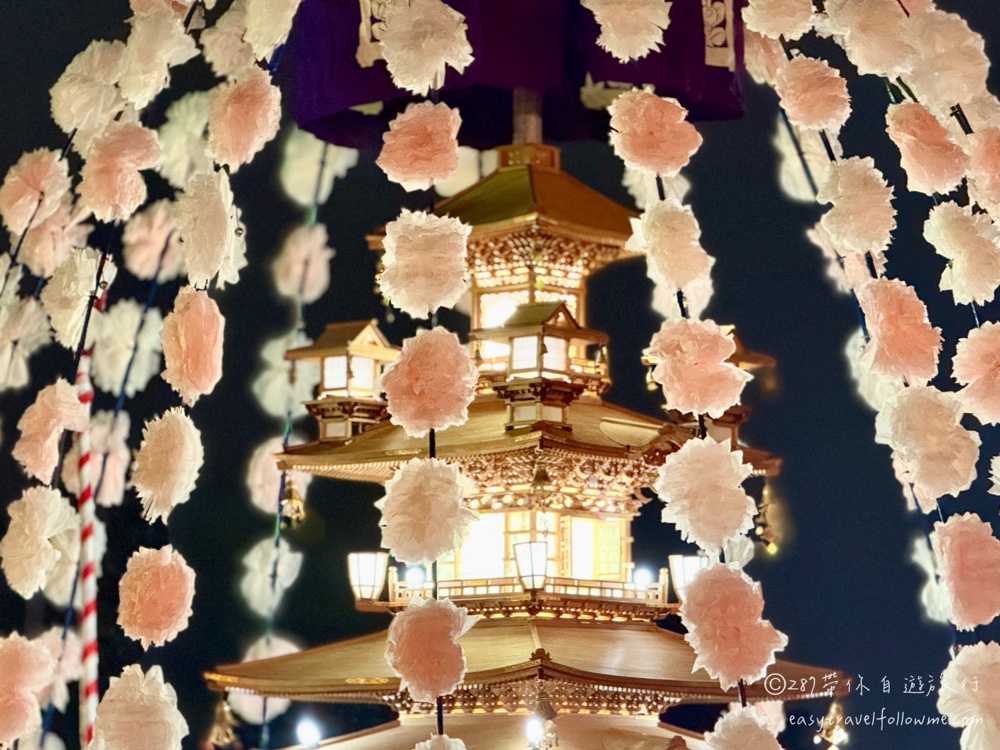
More than just a traditional festival, the Kawagoe Festival transforms the entire city into a “festival village”, filled with energy, music, and color. It’s no wonder this spectacular event has been recognized as one of UNESCO’s Intangible Cultural Heritage listings.
In this article, I will introduce the Kawagoe Festival, share practical access information, and provide insider tips on how to make the most of your visit!
Switch language:繁體中文
What Is the Kawagoe Festival? A Grand Celebration Full of Edo Charm

The Kawagoe Festival is the biggest annual event in Kawagoe City, Saitama Prefecture, held on the third weekend of October each year. With over 370 years of history, this traditional celebration dates back to the Edo period (starting around 1648) and originally began as a religious ritual to honor the deity of Kawagoe Hikawa Shrine, praying for a good harvest and local prosperity.

Unlike many Shinto festivals that mainly feature mikoshi (portable shrines), the Kawagoe Festival is a full-fledged town-wide production that showcases the strong community bonds of Kawagoe. The main attraction is undoubtedly the magnificent parade of floats (known as dashi) and the thrilling hikawase performances, where floats face off in festive musical battles. The excitement lasts from morning till night!
✔️Kawagoe Festival Overview
Dates: Annually on the 3rd weekend of OctoberMain Venue: From Kawagoe Hikawa Shrine through Ichibangai (Kurazukuri Old Street), Hon-Kawagoe Station area, and around Kawagoe Station
Access:
・From Ikebukuro Station, take the Tobu Tojo Line (approx. 30 mins) to Kawagoe Station, one-way ¥481 (about $3.22 USD)
・From Seibu-Shinjuku Station, take the Seibu Shinjuku Line (approx. 1 hour) to Hon-Kawagoe Station, one-way ¥513 (about $3.44 USD)Discount Pass: The Seibu Kawagoe Pass costs ¥700 (approx. $4.68 USD) and offers round-trip access from Seibu-Shinjuku, Ikebukuro, or Takadanobaba.
(Tip: Compare prices on KKday and Klook, as discounts may vary depending on the time of year.)Helpful Tips
・Wear comfortable walking shoes, you’ll be doing a lot of walking!
・The ladder performance by traditional construction workers (tobi) may change locations each year, check the official map before your visit.Recent & Upcoming Festival Dates
・2024: October 19 (Sat) – 20 (Sun) ✔️ Completed
・2025: October 18 (Sat) – 19 (Sun) ✔️ Completed
・2026: October 17 (Sat) – 18 (Sun) (Projected)
Why Is the Kawagoe Festival a UNESCO Intangible Cultural Heritage?


In 2016, the Kawagoe Festival was registered as part of UNESCO’s Intangible Cultural Heritage under the category of Yama, Hoko, Yatai float festivals, along with 32 other traditional float festivals across Japan. Some notable festivals in this listing include the Takayama Festival (Gifu), Hachinohe Sansha Taisai (Aomori), and the famous Gion Festival (Kyoto).
What earned these festivals the UNESCO recognition? In addition to their long history and well-preserved traditions, the following aspects stood out:
・Each float (dashi) is handcrafted with intricate carvings, and each one carries its own unique story.
・The floats feature Noh theater, traditional hayashi music, and dance performances, a showcase of local cultural heritage.
・The festival is sustained through active community participation, passed down through generations as a living tradition.
・It highlights the spirit of local cooperation and embodies strong artistic expression.
See the full list of all 33 UNESCO-recognized Yama, Hoko, Yatai festivals in Japan.
How to Get to the Kawagoe Festival

To attend the Kawagoe Festival, you can either get off at Kawagoe Station or Hon-Kawagoe Station.
If you arrive at Kawagoe Station, it’s about a 15-minute walk from the East Exit to the main festival area. The route passes through a lively shopping street, perfect for browsing local snacks and enjoying the nostalgic Koedo (Little Edo) atmosphere.

That said, Hon-Kawagoe Station is actually closer to the festival’s core area. As soon as you step out of the station, you’ll be greeted by rows of food stalls, parked floats, and a buzzing crowd, perfect for diving straight into the festivities.
Discount Train Pass for the Festival

If you’re traveling from Tokyo, the Seibu Kawagoe Pass is highly recommended. This convenient ticket allows a round-trip ride from Seibu Shinjuku, Ikebukuro, or Takadanobaba for just ¥700 (approx. $4.68 USD), saving you over ¥300 (about $2 USD) compared to regular fare. It’s a smart and budget-friendly option!
Book online: KKday | Klook
Don’t forget to compare deals, different platforms may offer seasonal discounts!
Festival Highlights: Floats, Nighttime Battles & a Citywide Celebration
If you’re planning to attend the Kawagoe Festival, there are a few must-see highlights you won’t want to miss. Once you know these key features, you’ll already understand more than 70% of what makes this festival so special!
Dazzling Floats & Showdown Performances

At the heart of the festival are the ornate dashi floats, the true stars of Kawagoe Matsuri. Around 20 floats exist in total, and on the festival day, roughly a dozen of them take turns parading through various parts of the city.
(Official site with detailed float descriptions)
Each float is a work of art, featuring intricate wood carvings, bold colors, and live performances. Children or adults perform traditional music and dances atop the floats, creating a vibrant, festive atmosphere.

The most thrilling part? The float showdowns (曳っかわせ | hikkawase), when two or more floats meet at an intersection, they battle it out with music, lights, and dramatic performances. The crowd roars and cheers like it’s a live concert, the energy is electric!
The Festival’s Soulful Soundtrack: Hayashi Music

Beyond the dazzling floats, the soul of the Kawagoe Festival lies in its traditional festival music, known as “hayashi” (お囃子). This unique blend of traditional instruments and dance instantly transports you to the Edo period.


Each float has its own hayashi stage in front, where musicians and dancers perform live as the float moves through the streets. The ensemble includes flutes, taiko drums, and small gongs, paired with lively or elegant dance movements that add rhythm and tension to the festival’s atmosphere.

When you hear the music, pause and watch, hayashi isn’t just background sound, it’s an emotional, theatrical performance that defines the spirit of the festival.
A Citywide Festival: Like Stepping Into a Traditional Village

One of the best parts of the Kawagoe Festival is how it’s not limited to a single crowded street. The entire city becomes part of the celebration, with floats moving through different areas, and performances held in shopping streets, alleys, and temple fronts.
You’ll see floats stationed in plazas, performances on street corners, and festival energy radiating from morning to night. Even if you don’t chase after the floats, you’ll naturally encounter plenty of excitement just by strolling around.

Food stalls are everywhere, selling takoyaki, yakisoba, grilled corn, and all the nostalgic Japanese street food you’d expect. Don’t miss Kawagoe’s local specialty: sweet potatoes. You’ll find all sorts of sweet potato-themed snacks and treats at the pop-up stalls during the event.

Festival stalls and pop-up food vendors are scattered throughout the city, so you can wander freely at your own pace. Stop by a café to rest, then head back into the crowd to catch the next float performance. The whole city feels like an immersive Edo-themed village, perfect for those who want to enjoy the festivities without rushing.
※ The festival draws large crowds, so cafés and restaurants often fill up fast, and even public restrooms may have long lines.
Special Bonus Performance: Traditional Ladder Acrobatics by Firemen

A must-see bonus event during Kawagoe Matsuri is the “Tobi Ladder Stunt Show” (鳶のはしご乗り | tobi no hashigo-nori), a traditional performance that originated from Edo-era fire brigades. Back then, tobi (scaffold workers and firemen) needed to operate high above the ground, leading to the development of these daring acrobatic techniques.
During the festival, performers dressed in traditional tobi attire climb tall vertical ladders and perform stunts such as one-legged balancing, hanging upside down, and flag waving, sometimes even pretending to slip, just to shock the crowd!
It’s one of the most popular and thrilling performances of the event, and definitely worth seeing.
Tip: Arrive early to grab a good viewing spot! Even when we showed up 20 minutes before, we still ended up watching from a distance due to the crowd.
Edo-Style Streets, Retro Vibes, and a Festival Steeped in History


Kawagoe is often called “Little Edo”, and it truly lives up to the name. The city’s preserved kurazukuri (traditional warehouse-style) streets, combined with the passing floats and locals dressed in traditional outfits, make you feel as if you’ve stepped back in time to the Edo period.
Many shops even offer festival-exclusive items or special discounts, and it’s common to see people walking around in yukata or jinbei, adding to the nostalgic charm. It’s a perfect spot for atmospheric photos!
While you’re in town, don’t miss a visit to:
・Hikawa Shrine for its charming “koi-fishing” fortune ritual,
・The iconic Toki no Kane (Time Bell Tower), and
・The retro-sweet street Kashiya Yokocho, filled with Showa-era snacks and vibes!
✔️Kawagoe Festival Overview
Dates: Annually on the 3rd weekend of OctoberMain Venue: From Kawagoe Hikawa Shrine through Ichibangai (Kurazukuri Old Street), Hon-Kawagoe Station area, and around Kawagoe Station
Access:
・From Ikebukuro Station, take the Tobu Tojo Line (approx. 30 mins) to Kawagoe Station, one-way ¥481 (about $3.22 USD)
・From Seibu-Shinjuku Station, take the Seibu Shinjuku Line (approx. 1 hour) to Hon-Kawagoe Station, one-way ¥513 (about $3.44 USD)Discount Pass: The Seibu Kawagoe Pass costs ¥700 (approx. $4.68 USD) and offers round-trip access from Seibu-Shinjuku, Ikebukuro, or Takadanobaba.
(Tip: Compare prices on KKday and Klook, as discounts may vary depending on the time of year.)Helpful Tips
・Wear comfortable walking shoes, you’ll be doing a lot of walking!
・The ladder performance by traditional construction workers (tobi) may change locations each year, check the official map before your visit.Recent & Upcoming Festival Dates
・2024: October 19 (Sat) – 20 (Sun) ✔️ Completed
・2025: October 18 (Sat) – 19 (Sun) ✔️ Completed
・2026: October 17 (Sat) – 18 (Sun) (Projected)
Final Thoughts

The Kawagoe Festival is more than just an event, it’s an experience you walk through. You don’t need to fight the crowds or chase after floats. Instead, you can simply stroll through the streets, enjoy spontaneous encounters with performances, and feel the entire city celebrating together.
Compared to tightly packed mikoshi parades, I personally love the “wander-and-discover” style of Kawagoe Matsuri, it feels full of surprises around every corner.
If you’re planning a Tokyo trip in autumn, be sure to add the Kawagoe Festival to your itinerary.
It’s one of the few chances to experience a UNESCO Intangible Cultural Heritage float festival in such an immersive and accessible way.
Book the Seibu Kawagoe Pass:
KKday | Klook
Don’t forget to compare deals, different platforms may offer seasonal discounts!
**********************************
Traveler’s Note:
The insights shared above are based on my personal experiences and subjective perspectives. When planning your trip, please consider current weather conditions and your own travel preferences.
Please note that all English articles on this site are AI-assisted translations of the original Traditional Chinese content. While every effort is made to ensure accuracy and natural flow, occasional nuances or expressions may differ. Thank you for your understanding.
In an era dominated by viral trends and “clickbait” locations, my true passion lies in exploring hidden corners and regions where information is scarce. I know firsthand how precious detailed, reliable information is when planning a journey. That is why I dedicate countless hours to research and field exploration, to curate these hard-earned insights for fellow travelers like you.
Every article and image on this site represents a significant investment of time and heart. If this content has helped you, the best way to support me is by sharing or reposting this link. I kindly ask that you respect original creators; unauthorized copying or re-uploading is strictly prohibited (all content is protected under DMCA).
Catch my latest travel moments on Instagram: @287.travel
Fuel my next journey: If my guide made your trip smoother, feel free to [Buy Me a Coffee]. Your support keeps this project moving forward!
Thank you for being a part of this community.

**********************************