Last Updated on 2026-03-01 by Tsubaki
Compared to ramen, I actually prefer tsukemen! Every time I visit a ramen shop, if tsukemen is on the menu, it’s always my first choice. Not only are the noodles thicker and chewier than those of regular ramen, but the dipping broth is also far richer and more intense. In this post, I’ll be sharing what tsukemen is, how to eat it properly, a bit about its history, and some helpful tips so that you can fully enjoy this dish with confidence on your trip to Japan.
Switch language:繁體中文
What is Tsukemen?

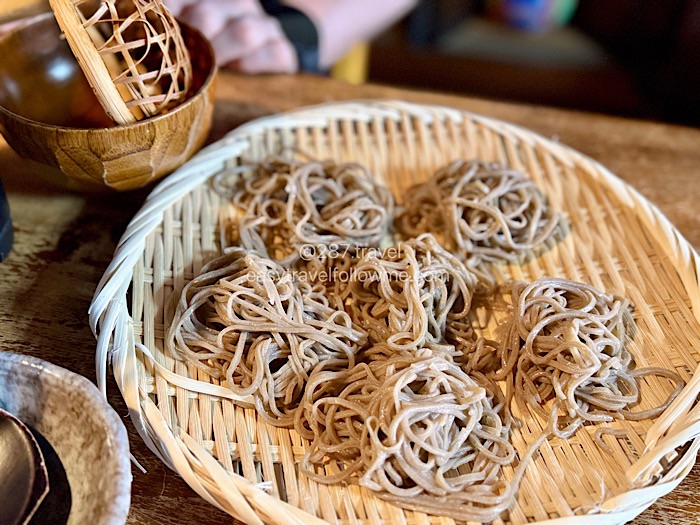
Tsukemen (つけ麺) is a uniquely Japanese noodle dish that differs from traditional ramen. Rather than serving noodles already submerged in soup, tsukemen separates the noodles and broth into two bowls. The noodles are typically thicker than those of ramen and are often chilled in cold water after boiling, which gives them that extra chewiness.

In general, a typical bowl of ramen contains about 100–150g of noodles, while tsukemen usually comes with a more generous portion, around 200–300g. Since the noodles are not sitting in soup but eaten separately, portions are larger to make it more filling and satisfying.

The broth for tsukemen is also much thicker and richer than that of regular ramen. To balance the intensity, shops usually provide a hot “wari soup” (割りスープ), a light dashi broth that you pour into the leftover dipping soup after finishing the noodles. This dilutes the broth and transforms it into a savory soup to sip on. Some people even add a small bowl of rice (known as “shime”, or finishing dish) to enjoy it like a rice porridge. This “one-dish, multi-way” experience is one of the reasons tsukemen is so beloved in Japan.
Interestingly, I often see tourists in areas with a lot of foreign visitors look puzzled when presented with warisoup. Many assume it’s just a hot drink on the side (which isn’t wrong!) or pour their entire serving of noodles into the dipping broth. I always find myself happily explaining how it works. So if tsukemen is still new to you, make sure to check out all the tips in this post before your next bowl!
The Origin of Tsukemen
Tsukemen was reportedly invented in 1955 by Kazuo Yamagishi, known as the “God of Ramen” in Japan. He founded the legendary ramen shop Taishoken in Ikebukuro, Tokyo. At the time, the dish was called “Tokusei Mori Soba” (特製もりそば). The idea came to him when he saw a co-worker dipping noodles into soup and eating them quickly, he thought, why not make a dish out of it?
Interestingly, tsukemen was initially considered separate from the ramen category. However, after much discussion, the Shin-Yokohama Ramen Museum decided to officially recognize tsukemen as a type of ramen. Since 2010, it has been included in their exhibitions and is now a significant part of Japanese ramen culture.
How to Eat Tsukemen: A Step-by-Step Guide
While every shop might offer slight variations, the basics of eating tsukemen are mostly the same. Follow these simple steps and you’ll never feel lost when your order arrives! Let’s see how to eat tsukemen!
STEP 1: Taste the Noodles on Their Own

Before dipping, take a bite of the noodles by themselves. Appreciate the firm texture and subtle wheat aroma. Then, take a small spoonful of the hot dipping broth to taste the flavor that brings it all together.
STEP 2: Dip and Enjoy
Pick up some of the chilled noodles and gently dip them into the soup. Don’t soak the entire portion all at once, start with just 1/3 to 2/3 of the noodles to balance the flavor and texture to your liking.

Once, I brought a friend to try tsukemen for the first time. The moment I looked away, he poured the entire bowl of noodles into the soup! I couldn’t help but laugh lol.
Of course, there’s no absolute right or wrong when it comes to eating, but pouring everything in at once basically turns it into regular ramen, which misses out on the fun of tsukemen’s dipping experience.
Extra Tip:
Because the noodles are cold, they tend to cool down the soup. If you prefer your dipping broth to stay hot, you can request warm noodles instead (ask for atsumori | あつもり).
STEP 3: Add Condiments

You’ll usually find condiments like yuzu pepper, shichimi spice, or black pepper on the table. Some shops even offer their own signature sauces. Feel free to add these to the dipping broth to adjust the flavor to your liking!
STEP 4: Finish with “Wari Soup”
At most tsukemen shops, the staff will keep an eye on your progress and bring you a cup of wari soup when you’re nearly done. Some shops serve it along with the tsukemen from the start, while others expect you to ask for it yourself after finishing the noodles. The approach varies by shop.
Once you’ve finished your noodles, pour the hot wari soup into the leftover rich broth. It becomes a warm, mellow soup you can drink directly, unlike leftover ramen broth, which is often too salty to enjoy on its own.
When I was a student in Kansai, I worked part-time at a ramen shop called Marugen, where the wari soup was served together with the tsukemen. But in many shops in Tokyo, you’ll need to request it after eating.
Tsubaki’s Mini Japanese Lesson – How to Ask for Wari Soup:
“Excuse me, could I please have some wari soup?”
すみません、割りスープをいただけますか。
(Sumimasen, wari suupu wo itadakemasu ka?)
STEP ?: Order an Extra Serving of Noodles
If you’re still hungry after finishing your noodles, you can order an extra portion!
A full extra serving is called “kaedama” (替え玉), while a half-size portion is called “handama” (半玉). Some shops offer free kaedama or discounted prices, so check the menu for details.
Tsubaki’s Mini Japanese Lesson – How to Order More Noodles:
“One extra serving, please!”
替え玉をお願いします!
(Kaedama wo onegaishimasu!)
※Note: “Handama” can be read as han-dama or han-tama depending on the region. When I worked at a ramen shop during my student days, I heard both pronunciations, so go with whichever feels natural to you!
STEP 5: End with Rice – the “Shime”

Many tsukemen shops also offer a small bowl of rice to finish the meal, which you can add to your remaining soup as a final course.

This shime (しめ) is a common practice not just in tsukemen restaurants, but also in izakayas and hot pot restaurants. Depending on the shop, shime might be white rice or udon noodles. Since tsukemen already features noodles as the main dish, most places offer white rice for the final touch.
Carbs on carbs, yes, it’s a pretty heavy meal, but that’s part of the indulgence!
Side Note: A Unique Part of Japanese Dining Culture
I think this “shime” culture is something uniquely Japanese. In Japan, it’s common to finish a meal with a starch-based dish like rice or noodles, after enjoying all the main items. But in many Chinese-speaking cultures, we tend to eat rice or noodles together with the rest of the meal. This difference adds a layered richness to the dining experience.
This subtle cultural contrast really stood out to me when I first moved to Japan—and it gave me a deeper appreciation for the thoughtful flow of Japanese meals.
That’s it for Tsubaki’s introduction to Japan’s one-of-a-kind noodle dish, tsukemen!
I hope this guide has helped you better understand how to eat tsukemen, and made you feel more confident about trying it. Next time you’re in Japan, don’t miss the chance to give tsukemen a try!
References:
This article was created with reference to information from Asahi Shimbun and the official website of Taishoken and my personal experience.
**********************
Traveler’s Note:
The insights shared above are based on my personal experiences and subjective perspectives. When planning your trip, please consider current weather conditions and your own travel preferences.
Please note that all English articles on this site are AI-assisted translations of the original Traditional Chinese content. While every effort is made to ensure accuracy and natural flow, occasional nuances or expressions may differ. Thank you for your understanding.
In an era dominated by viral trends and “clickbait” locations, my true passion lies in exploring hidden corners and regions where information is scarce. I know firsthand how precious detailed, reliable information is when planning a journey. That is why I dedicate countless hours to research and field exploration, to curate these hard-earned insights for fellow travelers like you.
Every article and image on this site represents a significant investment of time and heart. If this content has helped you, the best way to support me is by sharing or reposting this link. I kindly ask that you respect original creators; unauthorized copying or re-uploading is strictly prohibited (all content is protected under DMCA).
Catch my latest travel moments on Instagram: @287.travel
Fuel my next journey: If my guide made your trip smoother, feel free to [Buy Me a Coffee]. Your support keeps this project moving forward!
Thank you for being a part of this community.

**********************
Klook.com