Last Updated on 2026-03-01 by Tsubaki
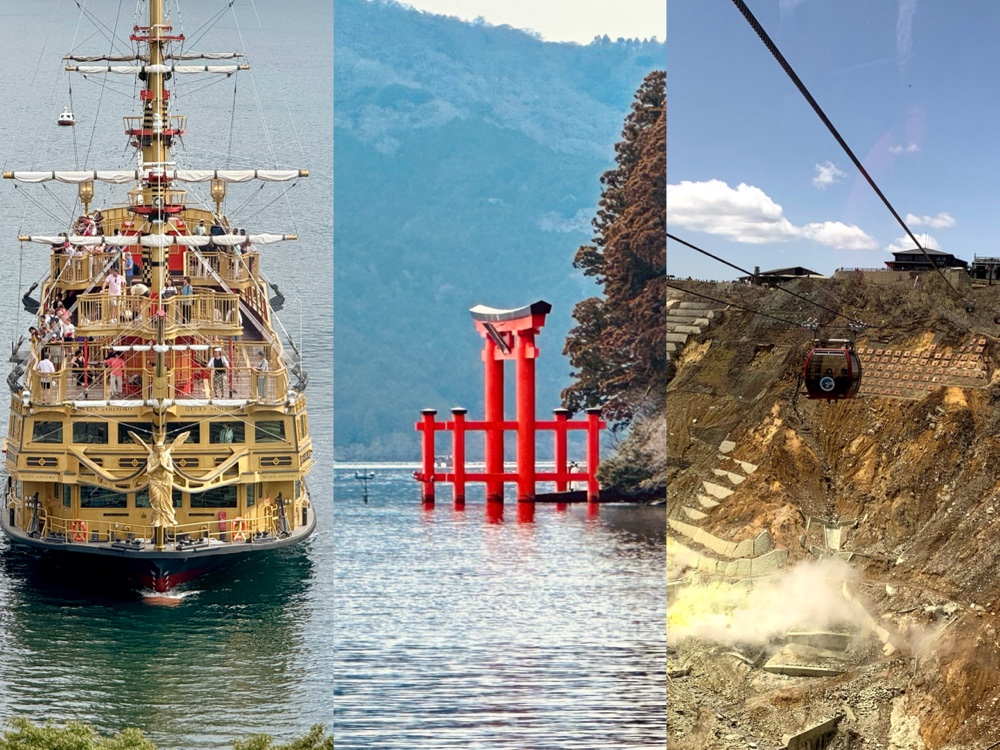
Hakone has long been one of the most popular destinations for a Tokyo getaway. Whether you’re here to soak in a hot spring, take a ride on the pirate ship cruise, stroll through the silver pampas grass fields, or witness the geothermal landscapes of Owakudani, this scenic region offers an incredible variety of experiences.
However, with its complex network of transportation routes and a wide range of passes available, planning a trip to Hakone can be a bit overwhelming, especially for first-time visitors. Having visited Hakone more than five times, I have put together this complete Hakone Travel Guide, covering everything you need to know for a smooth and enjoyable trip. Whether you’re visiting on a day trip, staying overnight, or combining it with a Mount Fuji itinerary, this guide will help you plan every detail with ease.
Switch language:繁體中文
Why Is Hakone So Popular? A Land of Geothermal Wonders, Lakes, and Hot Springs All in One

Located in the southwestern part of Kanagawa Prefecture, Hakone is a renowned travel destination known for its dramatic volcanic terrain. It forms part of the Fuji-Hakone-Izu National Park, and on clear days, you can even spot Mount Fuji from within the region.

One of the highlights of Hakone
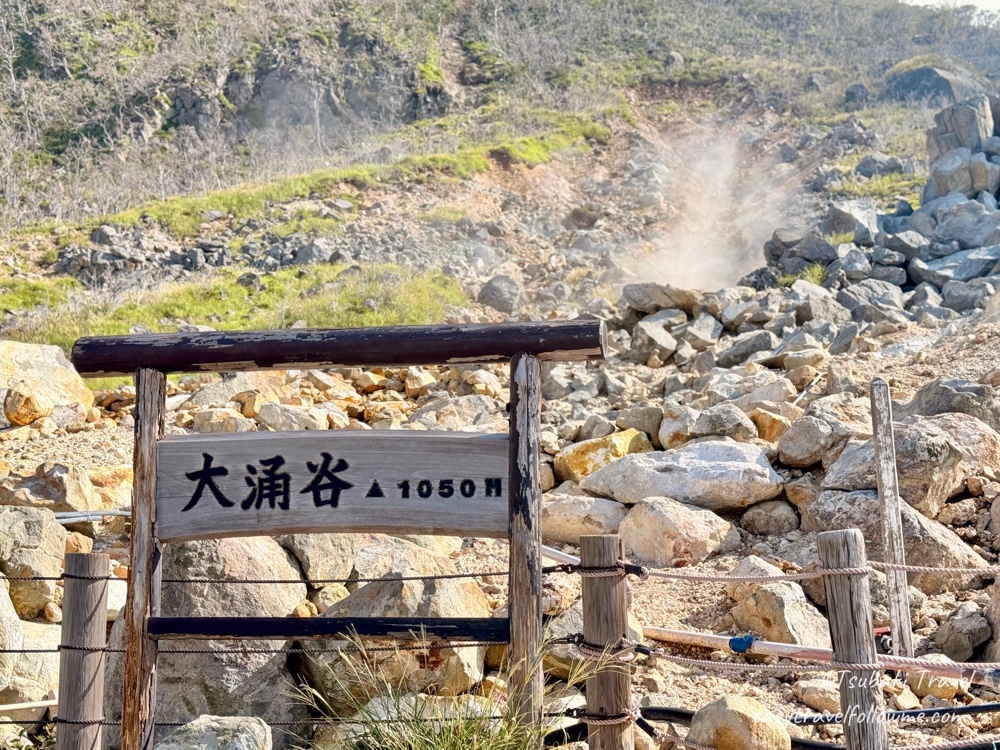
is Lake Ashi (Ashinoko), a crater lake formed by ancient volcanic eruptions. At Owakudani, you can see plumes of volcanic steam rising directly from the earth, an unforgettable sight that speaks to the area’s active geological roots. Thanks to this volcanic activity, Hakone is also rich in natural hot springs and has long been one of the most famous onsen (hot spring) destinations in all of Japan.

The classic route begins at the gateway station Hakone-Yumoto, then continues through onsen towns like Miyanoshita, Kowakudani, and Gora, each filled with traditional inns. From there, you can ride the Hakone Tozan Cable Car and Ropeway up to Owakudani, then descend to Lake Ashi. Hop on the Pirate Sightseeing Cruise to cross the lake and reach Togendai Station.
In addition to this iconic Hakone Loop, you can also explore the Sengokuhara Pampas Grass Fields, which showcase seasonal natural beauty, or walk the Old Tokaido Road, steeped in Edo-period history. However, some of these areas have limited public transportation, so it’s best to plan with some flexibility in mind.
Among all the onsen regions in Japan, Hakone consistently ranks as a top favorite. In the HIS 2024 Ranking of Hot Spring Destinations, Hakone came in 12th, while Rakuten Travel’s 2024 list ranked it even higher at 9th. These accolades show just how beloved Hakone is by travelers both domestic and international. (As of now, the 2025 rankings have not yet been released.)
From Edo-Era Pilgrims to Modern Travelers, Hakone’s Timeless Allure

Hakone’s history as a hot spring haven dates all the way back to the Edo period. Long before trains or highways existed, people traveled by foot along the Tokaido, the main route linking Tokyo and Kyoto. Along the way were 53 post towns, and Hakone-juku was one of the most important stops.
Due to its steep mountain terrain, Hakone wasn’t just a place to rest, it was a challenging part of the journey. Today, if you walk along the preserved section of the Old Hakone Highway, you can still see the stone paths and checkpoint ruins from centuries past.

I once hiked this very path myself with coworkers, starting from the Hakone Checkpoint and walking all the way back to Hakone-Yumoto. As we followed the forested trail, I imagined travelers from long ago making the same journey. That day really gave me a new appreciation for the deep history woven into this land.
Where Is Hakone and How Do You Get There? Just 1.5 Hours from Tokyo

Hakone lies in Kanagawa Prefecture, southwest of Tokyo. It takes about 1.5 hours to reach from Shinjuku Station, whether you’re driving or taking public transport, which makes it ideal for a day trip or overnight stay from Tokyo.

The most direct and comfortable way is to take the Odakyu Romancecar from Shinjuku. Alternatively, you can take a local train to Odawara Station and transfer from there. Both options make Hakone easily accessible.
Want to dig deeper into the transportation options, ticket prices, and time-saving travel tips for getting to Hakone from Tokyo? Check out these detailed guides:
[Complete Guide to Getting from Tokyo to Hakone]
[Fastest Way from Shinjuku, All About the Romancecar]
First Time Visiting Hakone? How Many Days Should You Stay?
As mentioned earlier, it only takes about 1.5 hours to travel from Tokyo’s Shinjuku Station to Hakone. If you start your day early, a day trip is enough to cover many highlights and still have a great time.
However, if you want to explore at a slower pace or soak in a proper hot spring experience, then a two-day, one-night trip is just right. Ultimately, how many days you should spend depends on your personal travel style and what you want to experience in Hakone.
I have also written a detailed guide for a one-day classic Hakone Round Course, which includes an actual sample itinerary, travel time between stops, and cost breakdowns. It’s especially helpful for first-time visitors.
[Hakone Day Trip Itinerary & Cost Breakdown from Shinjuku]
How Do You Get Around in Hakone? Transportation Map & Tips

Once you arrive in Hakone, the best way to explore is by following the classic transportation loop. This route is incredibly well-designed and includes a combination of mountain railway, cable car, ropeway, pirate sightseeing cruise, and local buses. Everything connects seamlessly, so no matter where you start, just follow the loop and you’ll be able to tour the region easily and efficiently.
It’s truly impressive how tourist-friendly Hakone’s transport network is. Even without renting a car, you can explore all the major attractions with ease. The public transportation options are frequent and reliable, so you don’t need to stress over tight schedules. The overall pace is relaxed and traveler-friendly.
If you want more in-depth info on each transportation method, including routes, schedules, and recommended connections, I have written a complete Hakone transport guide:
[Hakone Transportation Guide: Train, Bus, Ropeway & More]
Is the Hakone Free Pass Worth It?


If you plan to get around Hakone using public transportation, the Hakone Free Pass is highly recommended.
For just ¥7,100 (about $48 USD) for a 2-day pass, you get round-trip transportation from Shinjuku, plus unlimited rides on nearly every mode of transport within the Hakone loo, including the mountain railway, cable car, ropeway, sightseeing cruise, and local buses. There’s also a 3-day pass available for those staying longer.
When you compare the coverage area and what’s included, the pass offers great value, whether you’re visiting Hakone for a day or staying overnight.
Want to know more about the pass? Tsubaki has recently written a full breakdown comparing paper vs. digital tickets, as well as a detailed analysis of whether the pass is worth the price, with individual fare comparisons:
[Hakone Free Pass: Digital vs. Physical Ticket Comparison]
[Is the Hakone Free Pass Worth It? Price Breakdown & Cost Analysis]
Quick Guide to Classic and Popular Hakone Attractions
If you’re planning to follow the classic Hakone Loop, here are some of the most popular spots, perfect for both day trips and overnight stays. Consider adding these highlights to your itinerary!
Hakone Ropeway + Owakudani


When traveling along the classic loop, you’ll definitely ride the Hakone Ropeway, which takes you over the spectacular volcanic valley of Owakudani. This is a must-stop spot to snap photos and marvel at the otherworldly steam vents and rugged terrain.
And of course, don’t miss the area’s iconic snack: the black hot spring egg (Kuro-tamago), a local specialty believed to extend your life with every egg you eat!

If time permits, I highly recommend joining a guided Nature Research Route tour, which takes you into the restricted volcanic zone, an experience you can’t do on your own.
[Owakudani Nature Research Tour: How to Join & What to Expect]
Lake Ashi + Pirate Ship Cruise


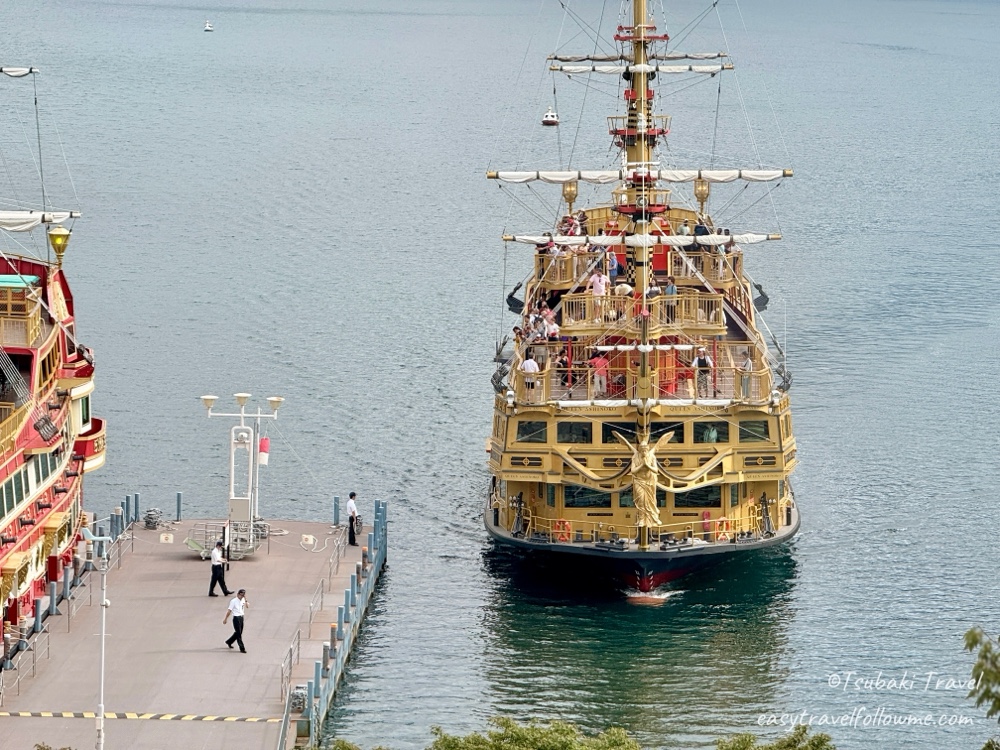
The Pirate Sightseeing Cruise is a key highlight of the Hakone Loop. It’s the most scenic and convenient way to travel across Lake Ashi, especially between Togendai and Moto-Hakone Port, which is home to the famous Torii gate in the water.
While it’s possible to take the Hakone Tozan Bus instead, buses tend to be slower and more cramped. The cruise, on the other hand, is relaxing and scenic, making it a perfect way to enjoy the lake while moving between attractions.
Moto-Hakone Port Stroll + Hakone Shrine + Peace Torii


After disembarking the pirate ship, you’ll pass through Moto-Hakone Port on your way to Hakone Shrine. This charming lakeside village has a relaxed atmosphere and a small harbor vibe that’s rare to find elsewhere in Japan.
There’s also a pleasant nature trail along the way, great for a casual stroll. But let’s be real, most people are probably here to get that iconic shot of the Torii gate standing in the water, right? (No need for me to hype it up any more than that, haha.)
The Hakone Open-Air Museum

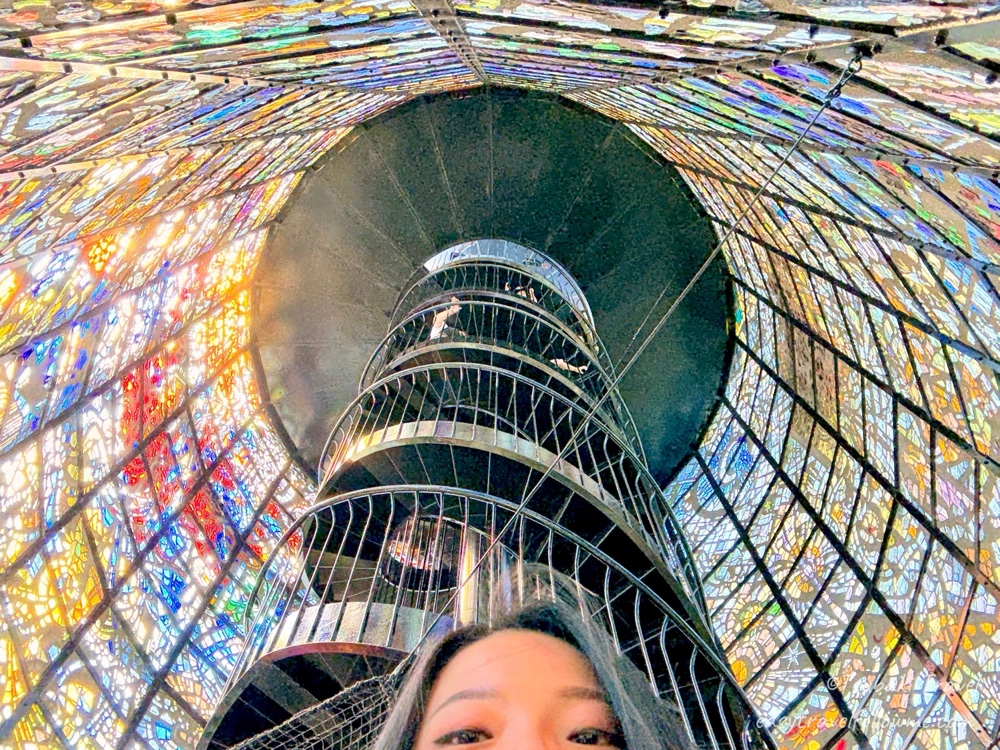
The Hakone Open-Air Museum is one of the area’s top cultural attractions. It’s known for its impressive outdoor art installations, including the Symphonic Sculpture (a breathtaking stained glass tower) and a Picasso Pavilion.
If you’re on a day trip, it might be tough to squeeze this in. But for those spending two days in Hakone, I highly recommend including it in your itinerary.
[The Hakone Open-Air Museum: Guide, Access & Review]
In addition to these must-sees, there are plenty of other spots worth visiting if time allows. I’ve compiled them all here in one handy guide:
[18 Must-Visit Hakone Attractions, Eats & Souvenirs]
Where to Stay in Hakone: Accommodation Areas Explained
Hakone has a wide range of hot spring hotels and ryokan, and your choice of area can really affect your itinerary flow. Here’s a quick breakdown of the most popular accommodation zones:
Hakone-Yumoto Area
The most accessible and convenient spot, with plenty of lodging options. Perfect for day-trippers or those arriving late. However, since Hakone-Yumoto is often both the starting and ending point of the loop, it may be less efficient if you plan to explore other areas the next day.
Gora Area
Packed with onsen ryokan and well-suited as a mid-point stay for 2-day trips. Accommodations here are generally higher-end, and prices tend to be a bit steeper than those near Hakone-Yumoto.
Lake Ashi Area
Surrounded by beautiful nature and fewer crowds. Lakeside accommodations are limited and tend to be more expensive. But if your itinerary includes the pirate cruise and a visit to Hakone Shrine, this is the most convenient mid-trip base.
Must-Try Local Foods in Hakone
When it comes to Hakone’s culinary specialties, the most iconic dishes are tofu-based cuisine, yuba (tofu skin) dishes, and grated yam (tororo) meals. You’ll find these ingredients featured in various forms on nearly every local restaurant menu.
As for street food, Owakudani’s black eggs (Kuro-tamago) and fried fish cakes are especially famous, while onsen manju (hot spring steamed buns) remain one of the most popular souvenirs to bring home.
Related article
[Popular Eatery: Tamura Ginkatsutei Tofu Cutlet Hot Pot Review]
Side Trips Beyond Hakone: Extend Your Journey

While Hakone is a highlight in itself, its surroundings are packed with destinations worth pairing in the same itinerary, such as Kawaguchiko, Enoshima, and Yokohama. These spots are all easily accessible from Tokyo and pair beautifully with a Hakone visit.
If your Tokyo trip spans four days or more, here are some great combo options to consider:
・Hakone + Gotemba Premium Outlets
・Hakone + Fuji Kawaguchiko
・Hakone + Kamakura + Enoshima
・Hakone + Atami or Izu
Other Transportation Passes Beyond the Hakone Free Pass
If your trip includes Fuji Kawaguchiko, Kamakura, or Enoshima, it’s worth considering broader passes like the Fuji Hakone Pass or the Hakone Kamakura Pass to simplify your transport and save money.
Hakone Kamakura Pass

The Hakone Kamakura Pass is basically an upgraded version of the regular Hakone Free Pass.
Priced at ¥7,520 (≈ $50) for 3 days, it not only covers all the transport included in the Hakone Free Pass but also gives you unlimited rides on the entire Enoden Line (the charming Enoshima Electric Railway).
This pass is perfect for travelers who plan to visit Hakone, Kamakura, and Enoshima all in the same trip from Tokyo.
Fuji-Hakone Pass (3-Day)

If your itinerary also includes Fujikawaguchiko (Lake Kawaguchi area near Mt. Fuji), consider getting the Fuji-Hakone Pass for ¥11,100 (≈ $74).
This 3-day pass allows unlimited rides on major transportation across both the Fujikawaguchiko and Hakone sightseeing areas, making it the most comprehensive and cost-effective option for combining both regions.
Final Thoughts
If you’re worried about complicated transportation routes, unsure how to plan your itinerary, or debating whether certain passes are worth the price. This guide is here to connect all the dots for your Hakone adventure.
Paired with the other in-depth articles I’ve written, this complete Hakone guide is designed to help first-time visitors travel like locals and enjoy a smooth, stress-free trip.
I hope this guide by Tsubaki can serve as your go-to Hakone Travel Encyclopedia, wishing you a fantastic journey!
**********************************
Traveler’s Note:
The insights shared above are based on my personal experiences and subjective perspectives. When planning your trip, please consider current weather conditions and your own travel preferences.
Please note that all English articles on this site are AI-assisted translations of the original Traditional Chinese content. While every effort is made to ensure accuracy and natural flow, occasional nuances or expressions may differ. Thank you for your understanding.
In an era dominated by viral trends and “clickbait” locations, my true passion lies in exploring hidden corners and regions where information is scarce. I know firsthand how precious detailed, reliable information is when planning a journey. That is why I dedicate countless hours to research and field exploration, to curate these hard-earned insights for fellow travelers like you.
Every article and image on this site represents a significant investment of time and heart. If this content has helped you, the best way to support me is by sharing or reposting this link. I kindly ask that you respect original creators; unauthorized copying or re-uploading is strictly prohibited (all content is protected under DMCA).
Catch my latest travel moments on Instagram: @287.travel
Fuel my next journey: If my guide made your trip smoother, feel free to [Buy Me a Coffee]. Your support keeps this project moving forward!
Thank you for being a part of this community.

**********************************