Last Updated on 2026-03-01 by Tsubaki
Hi! I’m Tsubaki, a freelance contributing travel journalist who has lived in Japan since 2016! If you’re planning a trip from Tokyo to Hakone, you’ve probably come across the Hakone Free Pass. But is it actually worth buying, or is it just convenient?
The short answer: Even for a one-day trip, the pass can be cheaper than buying individual tickets.
Using the 2026 fares in this article, completing the classic Hakone Loop from Shinjuku and returning the same day would cost around ¥8,322 in individual transportation fares. The 2-day Hakone Free Pass from Shinjuku costs ¥7,100, potentially saving you about ¥1,222 in one day. On a two-day trip with more local travel, the pass can offer even better value.
But the pass isn’t for everyone. If you’re mainly visiting Hakone-Yumoto for an onsen, staying at a ryokan, or driving around Hakone, individual tickets may be a better choice.
I’ve visited Hakone more than five times. In this guide, I’ll compare one- and two-day transportation costs, explain who benefits most, and share what to know when choosing digital or physical tickets.
Before we dive in, there’s an important update: as of October 1, 2025, the prices for the Hakone Free Pass and most transportation within Hakone have been revised. In this guide, I use the updated fares to help you decide whether the pass is worth it. All figures in this article are based on the new rates.
Switch language:
Is the Hakone Free Pass Worth It? One Day vs. Two Days
One-Day Hakone Trip from Shinjuku: Pass vs. Individual Fares

Although the Hakone Free Pass is only available as a 2-day or 3-day pass, that doesn’t mean it’s not worth it for a one-day trip. In fact, as long as you’re departing from Shinjuku and planning to complete the classic Hakone Loop, the pass can save you a surprising amount, even if you’re just visiting for a day.
Here’s a breakdown of the transportation costs for a one-day Hakone Loop itinerary. Let’s assume you leave Shinjuku in the morning, do the full loop, and return to Tokyo the same day. (This calculation excludes the Romancecar surcharge.)
One-Day Hakone Loop Cost (Pay-As-You-Go)
・Odakyu Line: Shinjuku → Odawara ¥901
・Hakone Tozan Railway: Odawara → Hakone-Yumoto ¥360
・Hakone Tozan Railway: Hakone-Yumoto → Gora ¥460
・Hakone Cable Car: Gora → Sounzan ¥430
・Hakone Ropeway: Sounzan → Togendai ¥2,000
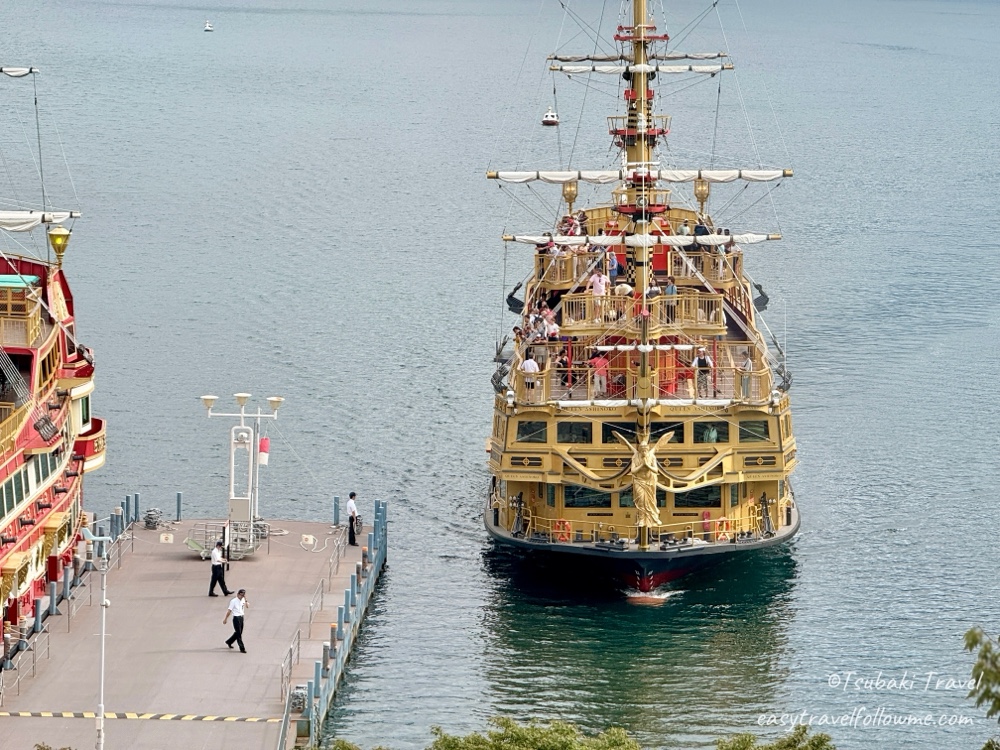
・Pirate Sightseeing Ship: Togendai → Motohakone ¥1,700
・Hakone Tozan Bus: Motohakone → Hakone-Yumoto ¥1,210
・Odakyu Line: Hakone-Yumoto → Odawara ¥360
・Odakyu Line: Odawara → Shinjuku ¥901
❗️All prices are updated as of October 1, 2025
Total: ¥8,322
* 8,322 JPY (≈ $52.68 USD / £39.53 GBP / €46.94 EUR)The 2-day Hakone Free Pass from Shinjuku costs ¥7,100, so completing the loop in a single day could save about ¥1,222 compared with buying tickets separately. The example excludes the Romancecar surcharge. Check Hakone Free Pass options before traveling.
* 7,100 JPY (≈ $44.94 USD / £33.73 GBP / €40.04 EUR)Related Articles
[One-Day Hakone Itinerary & Cost Breakdown]
[Hakone Free Pass: Digital vs. Physical Ticket]
Two Days in Hakone: How Much Could You Save?

If you’re staying for two days, the value only gets better. After completing the classic loop on day one, you can spend your second day exploring places like the Hakone Open-Air Museum, Sengokuhara, or other areas accessible by bus or train. Eventually, you’ll return to Tokyo via Hakone-Yumoto or another station.
For a two-day itinerary, the first day’s loop sightseeing fares (excluding the return trip to Shinjuku) total ¥7,061. Add roughly ¥2,000 for two local bus rides on day two, then ¥1,261 to return to Shinjuku. That is approximately ¥10,322 in individual fares. This is an example: actual bus fares will depend on your hotel and itinerary.
* 10,322 JPY (≈ $65.34 USD / £49.03 GBP / €58.22 EUR)Against a ¥7,100 two-day pass, that’s a potential saving of around ¥3,222. If you’re mainly relaxing at a ryokan, however, you might save much less.
Where to Buy the Hakone Free Pass: Digital or Physical Ticket?
Once you’ve decided that the Hakone Free Pass suits your itinerary, the next step is choosing how to buy it.
If you’d like to avoid exchanging a voucher for a paper ticket, check Klook’s digital ticket options. Check the smartphone requirements first, especially if you’re traveling as a group.
Prefer a physical pass? Compare KKday and Trip.com, including pickup locations, exchange hours, dates, cancellation policies and checkout prices.
Want to skip exchanging tickets in person?
Klook — View digital pass options
Prefer a physical ticket or want to compare platforms?
KKday — View physical-ticket options
Trip.com — Compare ticket options
If you’re still unsure, see my Hakone Free Pass buying guide: digital vs. physical tickets.
Hakone Free Pass Prices and Coverage
I’ve previously covered the Hakone Free Pass in detail in my Hakone transportation guide, but here’s a quick refresher to get you up to speed:
Basic Info About the Hakone Free Pass
Price:
・From Shinjuku:
2-Day Pass: ¥7,100
3-Day Pass: ¥7,500
・From Odawara (Hakone area):
2-Day Pass: ¥6,000
3-Day Pass: ¥6,400
Coverage:
・Odakyu Line (Shinjuku–Odawara round trip)
・Hakone Tozan Railway
・Hakone Tozan Bus
・Hakone Ropeway
・Lake Ashi Pirate Ship
・Certain Odakyu Highway Buses
Where to Buy:
・Odakyu Sightseeing Service Center (Shinjuku Station)
・Online travel platforms: KKday, Klook, Trip.com
・Official digital ticket platform: EMot
Extra Perks:
Show the pass to receive discounts at 70+ attractions, shops, and restaurants
Tip: Check the latest participating attractions, shops and restaurants for pass-holder discounts.
Related Article
[Hakone Free Pass, Ticket vs Digital Pass]
Unlimited Rides Around Hakone
Getting around Hakone without the pass can get pretty expensive. For example:
・One-way on the ropeway: ¥2,000
・One-way on the pirate ship: ¥1,700
・Bus from Hakone-Yumoto Station to Motohakone Port: ¥1,210
Traveling by regular train from Shinjuku to Hakone-Yumoto via Odawara costs around ¥1,261 one way.
But with the Hakone Free Pass, you can ride nearly all these transports as many times as you want. No need to wait in line for individual tickets every time. It gives your itinerary a lot more flexibility, you can change plans on the go or add spontaneous stops without worrying about extra fares.
Related Guides
[Complete Hakone Transportation Guide]
The Romancecar Requires an Extra Limited Express Ticket

The Romancecar is the fastest and most direct train option between Tokyo and Hakone.
This limited express train runs directly from Shinjuku to Hakone-Yumoto Station, saving you the hassle of transfers. It gets you there in just 80 minutes, compared to about 120 minutes with regular trains.
If you hold the Hakone Free Pass, you can still ride the Romancecar, you’ll just need to purchase a reserved seat surcharge ticket:
・Adult: ¥1,200
・Child: ¥600
The base fare is already covered by your Hakone Free Pass.
When Is the Hakone Free Pass Worth It—and When Isn’t It?

If it’s your first time visiting Hakone, the Hakone Free Pass is hands-down the best way to experience the classic loop and get the most out of your trip.
But if you’re a return visitor and you’re not planning to do the loop, maybe you’re driving, hiking, or just here to enjoy a quiet stay at a ryokan, then the pass may not be worth it. Likewise, if you’re only visiting a small area and won’t be using much public transit, buying individual tickets may be cheaper.
Here’s a quick checklist to help you decide:
When the Hakone Free Pass Is Worth It
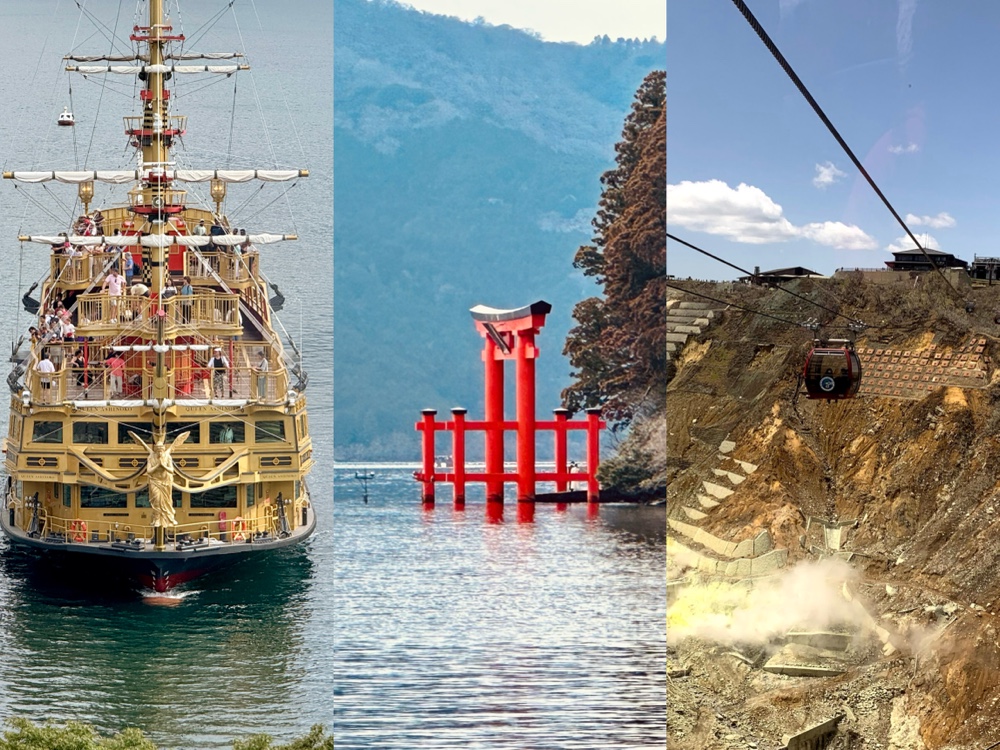
・You’re planning to do the full Hakone Loop: train → cable car → ropeway → sightseeing ship → bus
・You’re staying for 2 or more days, with multiple trips across Hakone
・You’re departing from Shinjuku, where the round trip alone covers more than half the pass value
When You May Not Need the Hakone Free Pass
・You’re only exploring around Hakone-Yumoto Station (e.g., onsen visit, one or two spots)
・You’re driving, hiking, or doing a non-transit-heavy itinerary
・You’re mostly staying in the Lake Ashi area and not doing the full loop
My Experience Using the Hakone Free Pass

I’ve been to Hakone more than five times now, and almost every single time, I used the Hakone Free Pass. From Tokyo to Hakone and throughout the region, the pass made every transfer smooth and hassle-free. No need to constantly line up to buy tickets, it really simplified the entire trip.
The Hakone Ropeway and pirate sightseeing cruise are particularly expensive if you buy them individually, so having the pass takes away any hesitation. The only minor downside is that the upfront cost may feel high, but once you finish your trip and look back at the total expenses, it almost always saves you money.
In my experience:
・A one-day trip usually saves me ¥1,000–¥2,000
・A two-day trip often saves over ¥3,000
* 1,000 JPY (≈ $6.33 USD / £4.75 GBP / €5.64 EUR) * 3,000 JPY (≈ $18.99 USD / £14.25 GBP / €16.92 EUR)But more than just saving money, it saves mental energy, no need to worry about fares or finding the right tickets. Just hop on and go.
Related Articles
[Hakone Free Pass: Digital vs. Physical Ticket]
Other Passes for Hakone and Nearby Areas
Hakone Kamakura Pass

The Hakone Kamakura Pass is basically an upgraded version of the regular Hakone Free Pass.
Priced at ¥8,520 for 3 days, it not only covers all the transport included in the Hakone Free Pass but also gives you unlimited rides on the entire Enoden Line (the charming Enoshima Electric Railway).
* 8,520 JPY (≈ $53.93 USD / £40.47 GBP / €48.05 EUR)This pass is perfect for travelers who plan to visit Hakone, Kamakura, and Enoshima all in the same trip from Tokyo.
Fuji-Hakone Pass (3-Day)

If your itinerary also includes Fujikawaguchiko (Lake Kawaguchi area near Mt. Fuji), consider getting the Fuji-Hakone Pass for ¥11,100.
* 11,100 JPY (≈ $70.26 USD / £52.73 GBP / €62.60 EUR)This 3-day pass allows unlimited rides on major transportation across both the Fujikawaguchiko and Hakone sightseeing areas, making it the most comprehensive and cost-effective option for combining both regions.
Final Verdict: Is the Hakone Free Pass Worth It?
As long as you’re departing from Shinjuku and completing the classic Hakone Loop, the pass already pays for itself.
If your itinerary involves multiple modes of transportation and includes the major attractions, the Hakone Free Pass is almost always worth it, especially for overnight stays. But if you’re just planning to visit one area or are driving, then individual tickets may be more practical.
Plan your itinerary first, then decide whether the pass is the right fit, that’s the best way to maximize your trip and your budget.
Hakone Free Pass FAQ
Is there a one-day Hakone Free Pass?
No. The Hakone Free Pass is available for two or three days, not one. However, even on a one-day trip, a two-day pass can be worthwhile if you use the Hakone Tozan train, cable car, ropeway, and sightseeing boat.
Is the Hakone Free Pass worth it for a one-day trip?
If you’re starting from Shinjuku and completing the classic Hakone Loop in a day, the pass can cost less than buying individual tickets. But if you’re only visiting an onsen, shopping around Hakone-Yumoto, or seeing one or two attractions, it may not be necessary.
Should I buy the pass from Shinjuku or Odawara?
For 2026, a two-day pass costs ¥7,100 from Shinjuku or ¥6,000 from Odawara. The Shinjuku option includes a round trip on the Odakyu Line between Shinjuku and Odawara, so choose based on where you’re starting.
Does the Hakone Free Pass include the Romancecar?
The pass covers the applicable base train fare, but not the Romancecar limited-express surcharge. To ride directly from Shinjuku to Hakone-Yumoto on the Romancecar, you’ll need an additional limited-express ticket.
Is a digital Hakone Free Pass better than a physical ticket?
A digital pass may save time by avoiding an in-person exchange, but check smartphone requirements first. If you prefer paper tickets, choose a physical-ticket option and confirm the pickup location, ticket type, and exchange conditions before purchasing.
**********************
Traveler’s Note:
The insights shared above are based on my personal experiences and subjective perspectives. When planning your trip, please consider current weather conditions and your own travel preferences.
Please note that all English articles on this site are AI-assisted translations of the original Traditional Chinese content. While every effort is made to ensure accuracy and natural flow, occasional nuances or expressions may differ. Thank you for your understanding.
In an era dominated by viral trends and “clickbait” locations, my true passion lies in exploring hidden corners and regions where information is scarce. I know firsthand how precious detailed, reliable information is when planning a journey. That is why I dedicate countless hours to research and field exploration, to curate these hard-earned insights for fellow travelers like you.
Every article and image on this site represents a significant investment of time and heart. If this content has helped you, the best way to support me is by sharing or reposting this link. I kindly ask that you respect original creators; unauthorized copying or re-uploading is strictly prohibited (all content is protected under DMCA).
Catch my latest travel moments on Instagram: @287.travel
Fuel my next journey: If my guide made your trip smoother, feel free to [Buy Me a Coffee]. Your support keeps this project moving forward!
Thank you for being a part of this community.

**********************
Klook.com