Last Updated on 2026-03-01 by Tsubaki
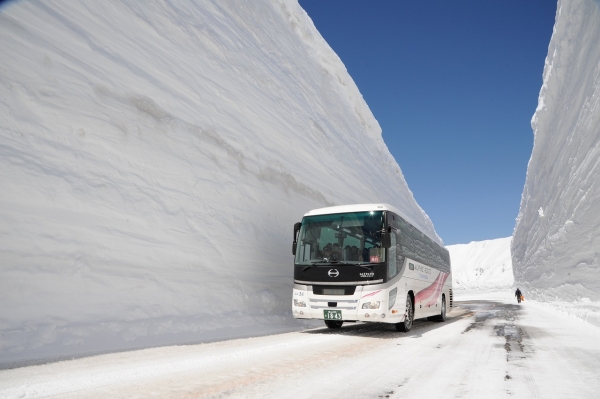
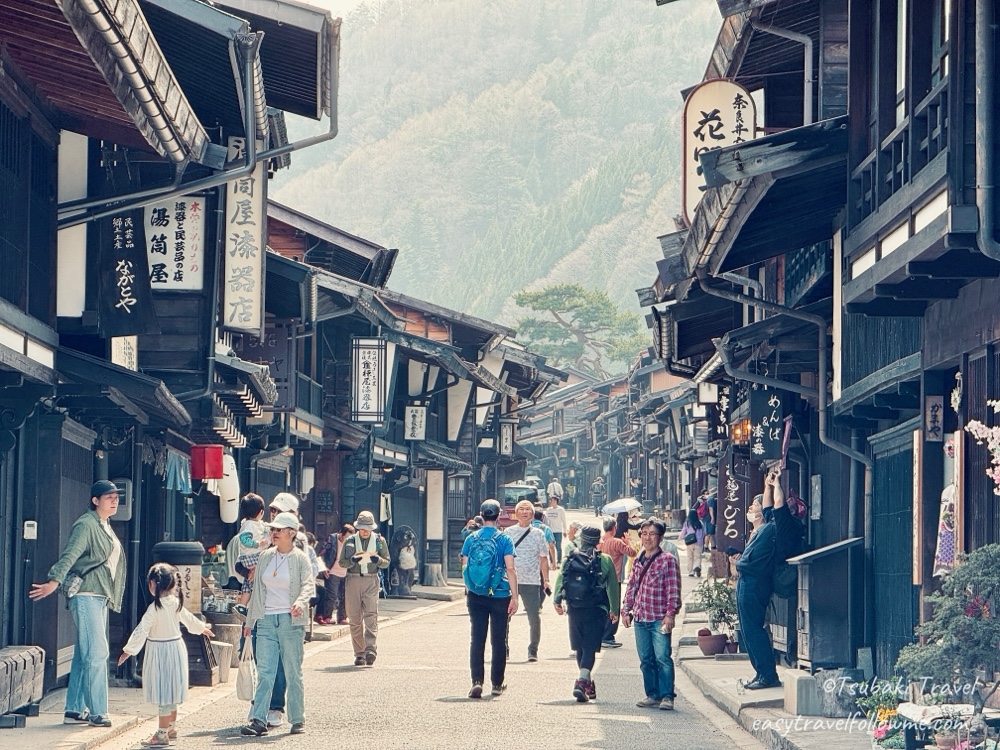
Last November, my boyfriend and I traveled to Kamikochi, a hidden gem in Nagano, for a two-day, one-night trip that included hiking up Mount Yakedake and exploring the Kamikochi area. From that moment, we completely fell in love with the magnificent landscapes of Japan’s Northern Alps. This time, we planned another short getaway, a 3-day road trip in Central Japan , visiting several unforgettable spots: strolling through Narai-juku, one of Japan’s best-preserved post towns; witnessing the towering Snow Walls of Tateyama Kurobe in Nagano, famous for their world-class snowfall; and stepping into the UNESCO World Heritage site of Shirakawa-go. Every stop left a lasting impression!
This article shares the full self-drive itinerary and actual expenses for our 3-day, 2-night Central Japan road trip. At the end, you’ll also find a cost comparison between using a JR Pass versus driving, which we hope will be a practical reference to help you plan your own adventure! (Travel dates: April 19–21)
Switch language:繁體中文
A 3-Day road trip in Central Japan Itinerary Overview
Day 1
Drove from Tokyo to Narai-juku
→ Had Toji soba at KOKORO OTO
→ Explored the traditional streets of Narai-juku
→ Visited Nezame-no-toko Art Park
→ Enjoyed cherry blossoms at Takashima Castle in Suwa
→ Checked into a hotel in Matsumoto City
Day 2
Departed for Tateyama Kurobe, parked at Ogizawa Station
→ Took the Kanden Tunnel Electric Bus to Kurobe Dam
→ Sightseeing at Kurobe Dam
→ Rode the Kurobe Cable Car to Kurobedaira Station
→ Took the Tateyama Ropeway to Daikanbo Station
→ Continued by Tunnel Electric Bus to Murodo Station
→ Visited the Snow Corridor
→ Descended the mountain
→ Dinner with Hida beef in Takayama
→ Stayed overnight at TABINO HOTEL Hida Takayama
Day 3
Strolled through the Miyagawa Morning Market
→ Drove to Shirakawa-go Gassho Village
→ Explored the historic village
→ Returned to Takayama for handmade soba at Teuchi Soba Hida
→ Walked around Takayama Old Town and enjoyed local snacks
→ Drove back to Tokyo
A 3-Day road trip in Central Japan Travel Diary
[Day 1] Narai-juku, Nezame-no-toko, and Takashima Castle
Starting the Road Trip from Tokyo – First Stop: Narai-juku

We kicked off our trip by driving from Tokyo to Narai-juku. Although there are a few free parking lots around the area, I hadn’t looked any of them up beforehand. To make things worse, I was starving by the time we arrived, so I didn’t have the patience to circle around looking for a spot. In the end, we just parked at the lot at the far end of the town.
As soon as the car was parked, we made a beeline for the legendary soba restaurant KOKORO OTO, known for its local Toji soba. Priorities: food first, then sightseeing!
Lunch at the Local Favorite: KOKORO OTO’s Toji Soba

We got to the restaurant around 12:30 PM, only to find that they were about to close. Luckily, we were the last group they accepted that day. Good thing we chose the closest parking lot, otherwise, we might have missed out entirely.


KOKORO OTO is famous for serving Toji soba, a traditional Nagano specialty. It’s not only beloved by locals, but also popular among international tourists.
We ordered their signature Toji soba and the vegetable tempura soba. Of course, we couldn’t resist the highly recommended gohei mochi (五平餅, sweet-savory grilled rice cakes). Everything was delicious and lived up to the hype.
I’ve written a separate in-depth food review about KOKORO OTO. If you’re curious about the menu or want more photos, feel free to check it out here:
[KOKORO OTO – Narai-juku’s Must-Try Local Dish]
Strolling Through Narai-juku’s Historic Old Town

Narai-juku’s old town stretches out over a good distance, walking from end to end takes about 30 minutes. Along the way, there are snack stalls, traditional craft shops specializing in lacquerware, and preserved buildings that once served as inns during the Edo period.


We grabbed another freshly grilled gohei mochi, then stopped by the Kamidonya Museum to learn more about Narai-juku and its place on the historic Nakasendo trail. At the far end of the street, you’ll find the iconic Kiso Ohashi, a red wooden bridge that looks picture-perfect against the backdrop of the old town.
Before leaving, we hiked up to Chinju Shrine, located on higher ground. From there, you get a beautiful view of the entire street below, an excellent spot to soak in the nostalgic atmosphere of Narai-juku.
We spent about two hours in Narai-juku, just walking, snacking, and taking photos. I definitely recommend giving yourself enough time to truly appreciate the town’s old-world charm, especially if it’s your first visit.
Nezame-no-toko: A Natural Wonder Shaped by Water

After exploring Narai-juku, we drove a short distance to Nezame-no-toko, a natural landscape formed by centuries of river erosion. The granite rock formations here have been carved into dramatic shapes by the flowing water, resembling a series of stone beds, both bizarre and beautiful.
The terrain was a bit uneven that day, so I was glad I had worn sneakers. That made it much easier to enjoy the walk without worrying about slipping.
There’s also a local legend tied to this place: it’s said that Urashima Taro, the famous folk tale character, awoke here after returning from the Dragon Palace under the sea. That’s actually how the place got its name, which roughly means “the bed where one wakes.”
If your itinerary allows, I highly recommend dropping by. It’s a fantastic spot to witness nature’s handiwork up close.
Cherry Blossoms in Full Bloom at Takashima Castle

Cherry blossom viewing wasn’t originally part of our plan, but as luck would have it, the sakura were in full bloom when we arrived at Takashima Castle. The entire park around the ruins was covered in soft pink petals, a lovely surprise that felt like a springtime gift from nature. The peaceful atmosphere made it hard to leave. This turned out to be one of the most romantic and unexpected highlights of the trip.
Onsen Stay in Matsumoto City
Since we planned to head to the Tateyama Kurobe Alpine Route starting point at Ogizawa the next morning, we stayed overnight at an onsen ryokan in Matsumoto. While the owner was kind and the service was good, I have to be honest, the overall vibe wasn’t really my style. The onsen water was uncomfortably hot, and there was no way to adjust the temperature with cold water. It wasn’t the most relaxing soak, so I wouldn’t particularly recommend this place.
[Day 2] A Day Trip to Tateyama Kurobe Snow Corridor & Hida Takayama
Because the Tateyama Kurobe route involves multiple transfers and transportation modes, we didn’t plan any additional sightseeing for the afternoon or evening. The whole day was dedicated to the Alpine Route. If you’re not especially interested in the snow walls, or if you visit outside of spring, Kamikochi is a great alternative for scenic nature walks.
Tateyama Kurobe Day Trip

We left Matsumoto early in the morning and drove straight to Ogizawa Station, the starting point for the Tateyama Kurobe Alpine Route. We had already purchased our transportation tickets online in advance, which made the whole transfer process much easier.
One of the highlights of the journey is the Kurobe Dam, but unfortunately the weather wasn’t on our side. Most of the route was covered in thick fog, which was a bit of a letdown. Still, we made it to the famous Snow Corridor, and seeing the towering walls of snow with our own eyes was absolutely worth it. Even my French boyfriend, who’s used to snowy landscapes, was blown away: “I’ve never seen snow walls this massive in my life!”
Chapter Guide
Chapter 1 – Pre-Departure Essentials for a DIY Tateyama Kurobe Trip
Chapter 2 – Opening Periods, Seasonal Highlights & What to Wear
Chapter 3 – Transportation Tips: Where You Can’t Drive & How to Connect Between Points (not translated yet)
Chapter 4 – How to Book Tickets Online for the Alpine Route
Dinner with Hida Beef in Takayama

Even though I’ve lived in Japan for eight years, I’d never tried Hida Beef, one of the country’s most prestigious wagyu brands. So this trip was the perfect opportunity!
We thought we could just walk into a restaurant in Takayama, but turns out that many highly rated, reasonably priced places require reservations. After being turned away by several spots, we finally managed to grab a table at Hida-no-suke, where we enjoyed a delicious ceramic plate-grilled Hida beef meal. Totally worth the wait!
If you’re planning to try Hida beef in Takayama, definitely make a reservation in advance to avoid last-minute stress.
Staying at TABINO HOTEL Hida Takayama

Since we were heading to Shirakawa-go the next day, staying in Takayama made sense geographically, it sits right between Tateyama Kurobe and Shirakawa-go.
This hotel was clean, reasonably priced, and had friendly service. They even have a public onsen bath, which made it easy to relax after a long day. I can happily recommend this place!
The only minor downside is that it’s a bit far from the city center, but they offer a free shuttle service, so it wasn’t a problem even for guests without a car.
[Day 3] Miyagawa Morning Market, Shirakawa-go, and Takayama Old Town
Traditional Morning Market: Miyagawa Asaichi

Before heading to Shirakawa-go, we made a quick stop at Miyagawa Morning Market to grab a light breakfast. The market is filled with local snacks and handmade goods, and it’s such a relaxing way to start the day.


We tried a Hida beef bun, Hida beef sushi, and a freshly baked croissant. Simple but satisfying, and the perfect fuel for our long-awaited trip to Shirakawa-go!
UNESCO World Heritage Site: Shirakawa-go Gassho Village

Shirakawa-go turned out to be smaller than expected, making it a perfect place for a slow, scenic stroll. We found that 2.5 to 3 hours is just the right amount of time to explore. Traditional houses are beautifully preserved throughout the village, and every corner exudes a rustic, old-Japan charm.

Several gassho-zukuri houses are open to the public, but the most iconic is the Wada House, a designated Important Cultural Property. It’s absolutely worth visiting.


If you’re heading to Shirakawa-go, don’t skip the hike up to the viewing platform. The panoramic view from above is simply magical.
Handmade Udon Noodles in Hida

By the time we returned to Takayama from Shirakawa-go, it was around 1:30 PM. Unfortunately, most restaurants in the area start their afternoon break at 2:00 PM, so we missed our chance to try Hida beef ramen. Luckily, we spotted a handmade udon shop that was still open and managed to satisfy our very hungry stomachs.
Walking Through Hida Takayama Old Town

Often called “Little Kyoto,” this area preserves the architecture and ambiance of the Edo period. It was surprisingly lively with tourists, and the streets were lined with tempting local treats. There was even a self-serve sake bar, similar to those in Echigo-Yuzawa, that looked quite popular.
We wrapped up the trip with one last indulgence: the famous fried Hida beef croquette, before driving back to Tokyo.
Total Cost for 3 Days 2 Nights in Central Japan
For our 3-day road trip from Tokyo, the average cost per person was ¥68,756 (approximately USD 460 at the time).
Here’s the breakdown by category:
・Transportation: ¥38,851 (56.5%) / USD 259.01
・Accommodation: ¥14,450 (21.0%) / USD 96.33
・Food & Dining: ¥13,385 (19.5%) / USD 89.23
・Activities & Attractions: ¥800 (1.2%) / USD 5.33
・Miscellaneous: ¥1,270 (1.8%) / USD 8.47
Overall, if you exclude airfare, keeping the cost under ¥70,000 (USD 460) per person for a 3-day trip felt like a great deal, truly high value for the experience!
Detailed Cost Breakdown: 3-Day Central Japan Road Trip
This section offers a closer look at the specific expenses involved in our trip.
Self-Drive Transportation Cost Breakdown
We departed from Tokyo and explored Central Japan over 3 days by rental car. Below is the per-person breakdown of transportation costs (split between two people), which includes rental fees, ETC highway tolls, parking, fuel, and most importantly, the Tateyama Kurobe Alpine Route ticket.
The Alpine Route ticket is essential for accessing the Snow Corridor and major highlights, and it alone accounted for 18% of our total transportation cost.
All driving-related costs were shared between two people. The total came to ¥52,922 (USD 352.81), or ¥26,461 (USD 176.41) per person. Naturally, the more travelers you have, the cheaper it gets per person:
| Item | Amount (JPY) | Amount (USD) |
|---|---|---|
| 3-Day Car Rental | ¥13,915 | $92.77 |
| ETC Tolls (3 days) | ¥6,980 | $46.53 |
| Gas (3 days) | ¥4,356 | $29.04 |
| Parking (Shirakawa-go) | ¥500 | $3.33 |
| Tateyama Kurobe Alpine Route Ticket | ¥12,300 | $82.00 |
| Parking (Ogizawa Station) | ¥500 | $3.33 |
| Parking (Morning Market) | ¥300 | $2.00 |
While this cost breakdown is based on a route starting from Tokyo, the overall travel time and expenses are quite similar for those departing from the Kansai region by car, making this a useful reference regardless of your starting point.
※ USD conversion based on the exchange rate at the time of writing. For reference only. 1 USD = 150 JPY
Cost Comparison: JR Pass vs Self-Drive
Here’s a breakdown of the cost differences between traveling by rental car and using a JR Pass, to help you decide which option best fits your itinerary:
Tateyama Kurobe Option Ticket: Ideal for travelers departing from the Kansai region. This 5-day pass includes the Alpine Route transportation and is relatively affordable. However, it’s less suitable for those starting from the Kanto region.
Hokuriku Arch Pass: A 7-day pass that connects both Kanto and Kansai regions. It doesn’t cover the Tateyama Kurobe Alpine Route, but allows travel from Tokyo to Osaka and offers more flexibility. Suitable for travelers departing from either region.
Transportation Method | Transport Cost | Tateyama Kurobe Ticket | Total (JPY) |
Solo Driving | ¥52,992 (~$353 USD) | ¥12,000 (~$80 USD) | ¥64,992 (~$433 USD) |
Driving (Per Person, 2 People) | ¥26,461 (~$176 USD) | ¥12,000 (~$80 USD) | ¥38,461 (~$257 USD) |
¥24,000 (~$160 USD) | Included | ¥24,000 (~$160 USD) | |
¥30,000 (~$200 USD) | ¥12,000 (~$80 USD) | ¥42,000 (~$280 USD) |
Based on the comparison, both passes tend to be more cost-effective than self-driving for a short 3-day, 2-night trip like ours.
However, this comparison is based on our specific itinerary. If you’re planning a 5 to 7+ day trip, the value of a rail pass increases significantly, offering greater cost-efficiency and flexibility over a longer journey.
JR Pass: Tateyama Kurobe & Takayama & Matsumoto Area Pass
・Validity: 5 consecutive days
・Price: ¥24,000 (~USD 160)
・Includes: JR trains in the Nagoya, Matsumoto, and Takayama area + all transportation for the Alpine Route
・Eligibility: Only for non-Japanese tourists with a “Temporary Visitor” visa stamp in their passportOnline Booking:
JR PASS Official Website|Klook|KKday
Each platform may offer different seasonal promotions, be sure to compare before booking!
JR Pass: Hokuriku Arch Pass (7 Days)
・Validity: 7 consecutive days — flexible and cost-effective
・Price: ¥30,000 (USD 200)
・Eligibility: Only for non-Japanese tourists with a “Temporary Visitor” visa stamp in their passportOnline Booking:
JR PASS Official Website|KKday|Klook
Prices vary by season and platform, so comparing is highly recommended!
If you’re unsure how to rent a car in Japan, I recommend Tabirai, Rentalcars, and Klook, all of which offer Chinese or English website support.
Rentalcars.com guarantees the lowest rental prices, while Tabirai partners with more rental companies. Klook is convenient for booking. Sometimes, if Rentalcars has no available cars, you may find options on Tabirai or Klook. Comparing different platforms can help you find the best deal!
💡Quick Tip: If you’re not seeing any available cars when searching, it might be because you’re trying to book outside of business hours. Try adjusting your pickup or drop-off time! (Most rental car companies in Japan operate between 8:00 or 9:00 AM and 7:00 or 8:00 PM.)
Accommodation Cost for 3 Days 2 Nights
We stayed one night in Matsumoto and one night in Takayama. Our main priorities were: clean rooms, onsen access, and reasonable prices. Since we were driving, we didn’t need to stay near train stations, which gave us more flexibility when choosing lodging.
The total accommodation cost was ¥28,900 for two people (USD 192.67), including bath taxes. On average, it came out to ¥7,225 per person per night (USD 48.17), a great deal for onsen ryokans
| Day 1 Matsumoto stay | ¥7,250 (USD 48.17) |
| Day 2 Takayama stay | ¥7,250 (USD 48.17) |
Meal Costs Over 3 Days
The total food cost per person over the three days was ¥13,385 ( USD 89.23), averaging ¥4,461 per day (USD 29.74) and around ¥1,487 per meal (USD 9.91).
Dining in tourist spots usually costs a bit more, especially when trying local specialties like Hida beef, which is a must. That said, spending between ¥1,500 to ¥3,000 per meal still felt totally reasonable. After all, tasting local cuisine is one of the most essential pleasures of travel!
| Day 1 Breakfast | ¥490 / $3.27 USD |
| Narai-juku Lunch | ¥1,650 / $11.00 USD |
| Gohei Mochi Snack | ¥250 / $1.67 USD |
| Matsumoto Dinner | ¥2,975 / $19.83 USD |
| Day 2 Convenience Store Breakfast + Lunch (Tateyama Kurobe) | ¥1,800 / $12.00 USD |
| Takayama Hida Beef Dinner | ¥3,625 / $24.17 USD |
| Day 3 Miyagawa Morning Market snacks | ¥960 / $6.40 USD |
| Shirakawa-go snacks | ¥470 / $3.13 USD |
| Takayama Lunch | ¥975 / $6.50 USD |
| Takayama Old Town snacks | ¥190 / $1.27 USD |
Other Expenses & Cultural Experiences
Neither my boyfriend nor I are big on shopping, so we didn’t spend much outside of Shirakawa-go. In Narai-juku and Tateyama Kurobe, we had close to zero extra expenses.
Most of our small miscellaneous and cultural spending took place in Shirakawa-go. We bought some souvenir magnets, local specialty gifts, and visited the two must-see traditional houses: Wada House and Nagase House.
These weren’t large expenses, but they added a lot of charm and memory to the trip.
| Souvenirs & small items | ¥770 / $5.13 USD |
| Local gift snacks | ¥500 / $3.33 USD |
| Admission to Wada & Nagase Houses | ¥800 / $5.33 USD |
This 3-day, 2-night self-drive trip through Central Japan was planned on a relatively modest budget, yet we were able to enjoy breathtaking sights and unique cultural heritage across Tateyama Kurobe, Shirakawa-go, Narai-juku, and Takayama.
From walking through Edo-period post towns to standing before towering snow walls, every destination gave us something memorable. Whether it’s your first time in the Chubu region or a return visit to Japan, I highly recommend this kind of high value, low-stress itinerary!
**********************************
Traveler’s Note:
The insights shared above are based on my personal experiences and subjective perspectives. When planning your trip, please consider current weather conditions and your own travel preferences.
Please note that all English articles on this site are AI-assisted translations of the original Traditional Chinese content. While every effort is made to ensure accuracy and natural flow, occasional nuances or expressions may differ. Thank you for your understanding.
In an era dominated by viral trends and “clickbait” locations, my true passion lies in exploring hidden corners and regions where information is scarce. I know firsthand how precious detailed, reliable information is when planning a journey. That is why I dedicate countless hours to research and field exploration, to curate these hard-earned insights for fellow travelers like you.
Every article and image on this site represents a significant investment of time and heart. If this content has helped you, the best way to support me is by sharing or reposting this link. I kindly ask that you respect original creators; unauthorized copying or re-uploading is strictly prohibited (all content is protected under DMCA).
Catch my latest travel moments on Instagram: @287.travel
Fuel my next journey: If my guide made your trip smoother, feel free to [Buy Me a Coffee]. Your support keeps this project moving forward!
Thank you for being a part of this community.

**********************************