Last Updated on 2026-05-20 by Tsubaki
Planning a trip to Hong Kong? Beyond just mapping out your itinerary, there’s quite a bit of essential information that’s worth knowing beforehand. Based on my personal experience visiting Hong Kong, I’ve compiled this detailed guide to help you get prepared with ease. Whether it’s your first visit or a return after several years, this article covers the foundational things to know before you go! (Transportation and attraction details will be covered in separate posts.)
This post serves as an overview of pre-travel essentials for independent travel in Hong Kong, perfect for first-timers or anyone looking for a quick refresher. For in-depth topics like how to use the Octopus Card, recommended attractions, food itineraries, and more, check out the linked articles in this Hong Kong series.
Switch language:
《My Take on Hong Kong》

Before I share my overall impression of Hong Kong, I want to briefly clear up a common misunderstanding. Prior to my trip, I’d heard several friends and acquaintances complain that the service in Hong Kong was poor, so I was mentally prepared. But once I actually arrived, I felt it was a bit of an unfair judgment.
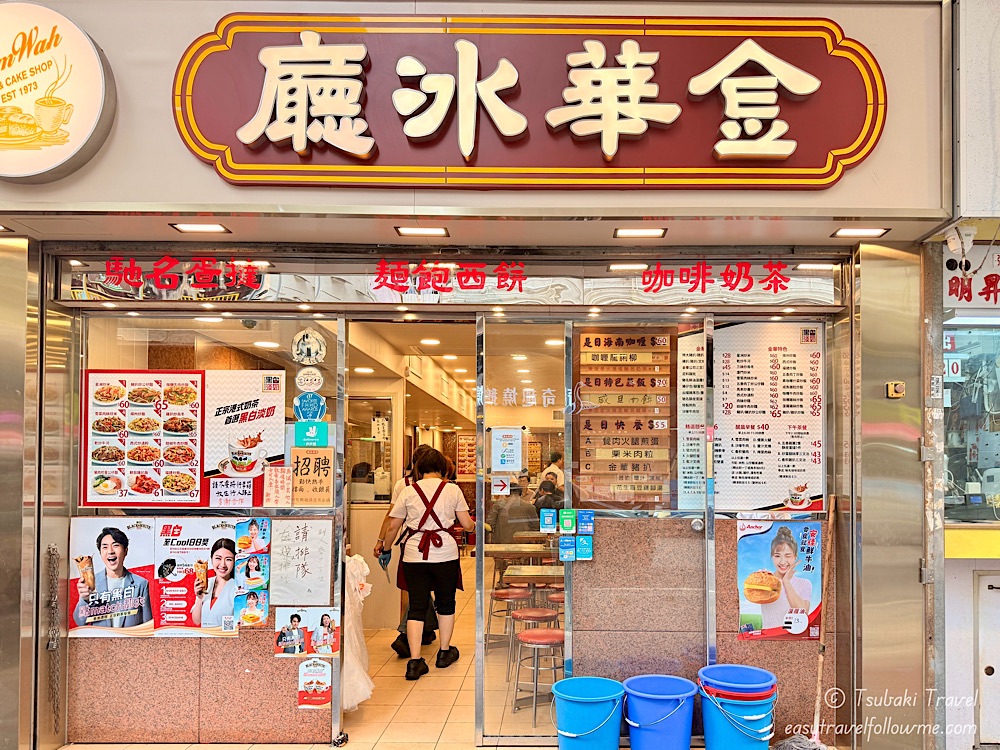
Because of the city’s incredibly high population density and limited space, it’s quite normal for restaurants, especially local diners called cha chaan teng, to have quick table turnovers and seat strangers together. Staff often look rushed, and their tone can be very direct when taking orders. At first, this might come across as rude, but I think it’s more about efficiency and fast-paced culture than intentional impoliteness.
(As I write this, I can’t help but picture the servers buzzing around like busy bees, no joke, that’s the image in my head! haha)
And honestly, if we’re talking about “bad attitudes,” it was nothing compared to some experiences I’ve had in Korea. I still vividly remember a convenience store clerk who was slouched over watching a video on his phone. I stood in front of him, ready to pay, and he actually clicked his tongue at me as if I were interrupting. That still leaves me speechless to this day…
Back to the main point
My impression of Hong Kong is that it’s like a denser, faster-paced version of Taipei, the capital of Taiwan where I’m from. While Hong Kong covers about 1,106 square kilometers, roughly four times the size of Taipei, the high-rise buildings and constant foot traffic make it feel much more compact and crowded.
Aside from the Cantonese, which I don’t speak, nearly everything, from street signs to restaurant menus, is written in Traditional Chinese, just like in Taiwan. That gave me an immediate sense of familiarity, almost like I had stepped into a busier, more vertical version of home.
Just one thing to note: daily expenses in Hong Kong are noticeably higher than in Taiwan. For example, a simple local breakfast might cost around USD 8, whereas in Taiwan, you’d probably spend just USD 2–3 for something similar. So be sure to adjust your food and accommodation budget accordingly.
Would I recommend traveling independently in Hong Kong? Absolutely! It’s especially great for first-time travelers, easy-to-navigate subway system, no language barriers, and clear travel info. I’d even say Hong Kong is the perfect “Level 1” destination in a round-the-world mission: not too difficult, but perfect for practicing how to plan itineraries and manage your travel rhythm.
《All About Traveling to Hong Kong》
Where is Hong Kong located?

Geographically, Hong Kong lies southwest of Taiwan, with a direct distance of about 805 km (500 miles). To put that in perspective, the distance from Taiwan’s northernmost point (Fuguei Cape) to the southern tip (Eluanbi) is about 390 km, so it’s like stacking Taiwan twice vertically!
To be honest, I’ve always been weak in geography. Back in school, I barely scraped by in that subject. Unless I’ve personally been to a place, I have no solid grasp of where countries or regions actually are. So before visiting Hong Kong, I naively thought it was “just next door” to Taiwan. Maybe that’s because there’s so much interaction between the two, it gives the illusion of being super close. But once I checked the actual map, yep, there’s definitely a bit of distance between the two.
How Is Hong Kong Divided for Tourism?

Tourist-friendly Hong Kong is typically divided into three main areas: Hong Kong Island, Kowloon, and Lantau Island.

Each area has its own personality and highlights:
・Hong Kong Island (Central & Sheung Wan): Skyscrapers, shopping malls, nightlife
・Kowloon (Mong Kok & Tsim Sha Tsui): Local street food, markets, and vibrant neon-lit streets
・Lantau Island: Nature and spiritual sites like Ngong Ping 360 cable car and the Big Buddha
If you’re planning a 3-day, 2-night trip, you can focus on one area each day. This makes for a smoother and more focused itinerary, no rushing from one side of the city to the other.
How Long Should You Stay in Hong Kong? And What’s Fun to Do?

Many travelers head straight for Hong Kong Disneyland, and if that’s your thing, go for it! But to be honest, it doesn’t hold much appeal for me. I prefer diving into local eats and exploring landscapes and cultural spots.
If, like us, you’re skipping Disneyland, three days and two nights is just right. But if you’ve got more time, consider adding a day or two for a side trip to Macao by ferry. A lot of people do that combo.
The biggest charm of Hong Kong? The food scene. I only wish I had more time to keep eating! It’s not an exaggeration to call Hong Kong a foodie paradise. The city has over 70 Michelin-starred restaurants and 60+ Bib Gourmand spots, an incredibly high Michelin density for such a compact city. Even your random noodle shop on the corner might be award-winning. It’s wild!
Beyond just food, Hong Kong also offers a wide range of experiences. Ride a scenic cable car on Lantau Island, explore hidden alleys for Bib Gourmand street eats in Kowloon, or just bounce between mountains, ocean breezes, and shopping sprees. Everything’s possible in a single trip.
Currency Exchange in Hong Kong
The local currency is the Hong Kong Dollar (HKD). As of the time I’m writing this, the exchange rate is roughly 1 HKD ≈ 0.13 USD (but be sure to check the latest rate before you go).
Payment Methods in Hong Kong

In Hong Kong, electronic payment is widely used for public transportation, chain stores, convenience stores, and even local diners like cha chaan tengs. The most common method is the Octopus Card, Hong Kong’s version of a rechargeable travel card, similar to Taiwan’s EasyCard, Japan’s Suica, or Korea’s WOWPASS. It’s pretty much a must-have for getting around!
Some shops even only accept cash or the Octopus Card, so while it’s smart to carry some cash, getting an Octopus Card will make your trip much smoother.
That said, many small local shops and popular cha chaan teng restaurants are still cash-only. So when you top up your Octopus Card, be sure to keep at least half of your cash on hand for those situations.
Where to Buy a Physical Octopus Card Online
[Trip.com] | [KKday] | [Klook]
Related post:
[Complete guide to Octopus Card – physical vs. digital versions]
Other Payment Options in Hong Kong
Hong Kong widely accepts Visa and MasterCard, as well as Apple Pay and Google Pay. AlipayHK and WeChat Pay are also becoming increasingly common.
However, many places, especially smaller businesses, still only accept cash or Octopus, so always check before ordering.
Withdrawing Cash in Hong Kong
You can withdraw Hong Kong Dollars from ATMs at convenience stores or banks using an international debit card (such as a Visa debit card). Keep in mind though, most cards charge relatively high handling fees.
I recommend using Revolut You can withdraw up to £200 worth of foreign currency (around HKD 2,000) per month overseas without fees. My partner and I used Revolut during our recent trip to Hong Kong and paid zero withdrawal fees. The HKD 2,000 we took out was just right to cover our four-day trip, including both cash expenses and Octopus Card top-ups.
Everything else, like discount tickets and hotel bookings, was prepaid online beforehand.
Hong Kong International Airport
The easiest way to get to Hong Kong is by air. Hong Kong International Airport (HKG) serves numerous international routes, making it the most convenient entry point for overseas travelers.
Best Time to Visit Hong Kong

The peak travel season in Hong Kong runs from October to February, which includes major holidays such as Christmas, New Year’s, Lunar New Year, and the winter break. During this time, the weather is cool and dry, typically between 15 to 20°C (59–68°F), making it ideal for outdoor sightseeing. However, hotel prices also tend to be higher, and popular spots can get quite crowded, so it’s best to book in advance.
The off-season is from May to September, which includes both the summer holidays and the rainy season. The weather is hot and humid, with a higher chance of rain and occasional typhoons. That said, airfare and accommodation are generally cheaper, so if you don’t mind a bit of wet weather, this could be the perfect time to enjoy a quieter, more relaxed trip.
One thing to note: although Lunar New Year falls during peak season, many restaurants and shops may close or shorten their hours, so be sure to check business hours in advance if you’re traveling during that period.
As for my own recommendation, if it’s your first visit, I’d suggest avoiding Lunar New Year or long weekends, when crowds are at their peak. Early spring or autumn tends to offer the best balance of pleasant weather and manageable crowds.
Internet Access in Hong Kong

Hong Kong has excellent public Wi-Fi coverage. You’ll find free Wi-Fi in the airport, on the Airport Express, and at all MTR stations. But even with widespread free access, it’s still a good idea to have your own mobile data for things like navigating maps, checking routes, or doing quick searches on the go.
There are a few options to stay connected: international roaming, eSIM, or physical SIM cards, pick whatever suits your needs best.
As for me, my top pick is definitely eSIM. It saves the hassle of swapping out physical SIM cards and reduces the risk of losing access to your original phone number. As long as your phone supports eSIM, you can purchase and activate it online before your trip through platforms like trifa or Klook, then just download and go. It’s super convenient and highly recommended!
Where to Get a Hong Kong eSIM: [Klook] | [KKday] | [Trip.com]
🔥If you use Trifa eSIM, you can use my invitation code 「2872506」to get 5% off discount !
《What to Prepare and Double-Check Before You Go》
Do You Need a Visa to Enter Hong Kong?
Whether or not you need a visa for Hong Kong depends on the passport you hold. Regulations vary by nationality, so it’s best to check with your country’s foreign affairs office or consulate at least a month before your trip to confirm whether a visa is required.
Do You Need an Adapter or Voltage Converter for Hong Kong?

Hong Kong uses British-style three-prong outlets (Type G) with a voltage of 220V, which is different from the two-prong (Type A) plugs used in Taiwan and Japan. If you don’t bring an adapter, chances are you won’t be able to charge any of your devices at your hotel. It’s one of those travel details that can be surprisingly inconvenient if you forget!
That said, you can easily buy one online or at local electronics shops before your trip. Even if you forget, adapters are also available at the airport, but expect to pay a little more there, of course.
Just to clarify:
・United States: 110V, Type A/B plug
・Taiwan: 110V, Type A plug (two flat pins)
・Japan: 100V, Type A plug (two flat pins)
・Hong Kong: 220V, Type G plug (three rectangular prongs)
Don’t Forget to Check Your Passport Expiry Date!

Most adult passports (except for military personnel or children) are valid for few years, which makes it easy to forget when yours expires. But here’s the key point: many countries, including Hong Kong, require that your passport be valid for at least six months at the time of entry.
Double-Check Your Travel Insurance Coverage
As international travel becomes more common, many credit cards now offer complimentary travel insurance as a perk. But here’s the catch: this insurance often comes with conditions, such as needing to pay for your flight or tour package using that specific credit card in order to activate coverage.
And don’t assume that you’re fully covered just because your card comes with a travel insurance bonus. Most of these plans only cover accidents related to public transportation, such as airplanes, ferries, or buses. They may not cover common travel mishaps like slipping and falling, unexpected medical emergencies, hospital stays, or surgeries.
That’s why it’s crucial to review the policy terms before your trip, or consider purchasing a short-term international travel insurance plan with broader coverage.
I remember seeing an Instagram story from a high school friend who slipped on an icy road while visiting Hokkaido. She broke her leg and had to undergo surgery to insert metal screws, followed by a multi-day hospital stay. The total medical bill came out to over JPY 2 million (around USD 12,500). Since she didn’t have any travel insurance, she had to pay everything out of pocket.
It was shocking, and it really reminded me just how important proper insurance is when traveling abroad.
Getting Around in Hong Kong

The fastest way to get from Hong Kong International Airport to the city is via the Airport Express, but once you’re in town, getting around is easy thanks to Hong Kong’s extensive MTR system. Buses and taxis are also readily available, and most public transport options run until late, which is great for travelers trying to explore a lot in a short time.
That said, there’s a huge difference between using an Octopus Card and paying with cash. Each ride can be HKD 1–2 cheaper with an Octopus Card, which really adds up when the average fare is around HKD 8–12 per trip.
Since public transportation is the main way to get around for most independent travelers, you might also want to consider purchasing a Hong Kong Tourist Day Pass!
Related posts:
[How to take the Airport Express and buy tickets]
[Guide to physical vs. digital Octopus Cards]
Buy a physical Octopus Card online:
[Trip.com] | [KKday] | [Klook]Airport Express discounted tickets:
[Trip.com] | [KKday] | [Klook]
Where to Stay in Hong Kong
The most convenient places to stay are around MTR stations, especially near Hong Kong Station, which connects to multiple lines. However, hotels in this area (Central and Sheung Wan) tend to be more upscale and expensive.
For better value, I recommend looking at hotels along the red MTR line (Tsuen Wan Line) in Tsim Sha Tsui or Mong Kok, the area is lively, accessible, and accommodation is generally more budget-friendly. It’s also super convenient whether you’re heading to Lantau Island, Hong Kong Island, or Causeway Bay.
If your trip is a bit more relaxed and you’re not rushing from place to place, staying around Causeway Bay could also be a great option. It’s generally more elegant than Tsim Sha Tsui or Mong Kok, but still cheaper than Central or Sheung Wan (excluding ultra-luxury hotels).
Accessibility ranking:
Central / Sheung Wan > Tsim Sha Tsui / Mong Kok > Causeway Bay
Best value ranking:
Tsim Sha Tsui / Mong Kok > Causeway Bay > Central / Sheung Wan


Last time I stayed at Hotel Madera Hong Kong, located between Mong Kok and Tsim Sha Tsui near Jordan Station, just a 5-minute walk from the MTR. I personally found the hotel clean, spacious, and well-located, great value for the price. Definitely worth checking out!
Weather in Hong Kong & What to Wear

Hong Kong has a subtropical climate with fairly mild temperature variations year-round, but high humidity. Summers can feel hot and sticky, while winters are cool and damp.
《Things to Be Aware of in Hong Kong》
Restaurants Often Don’t Provide Napkins

Aside from the general travel prep, here are a few small cultural quirks that really surprised me during my visit to Hong Kong.
One of the biggest shocks? Most restaurants don’t provide napkins or tissues at the table! As someone who constantly wipes their mouth while eating, I found this pretty inconvenient. At first, I thought I’d missed them, but when I asked my local friends, they told me it’s totally normal in Hong Kong, locals are used to carrying their own pocket tissues. So don’t forget to bring a few packs with you!
Toilet Paper Goes in the Toilet, Not the Bin
Even though there are no tissues on the table, most restaurant restrooms do provide toilet paper. Just be aware: toilet paper goes directly into the toilet and should be flushed, just like in Japan. This may be different from what you’re used to in Taiwan or China, where it’s common to throw paper into a bin, but when in Hong Kong, follow the local rules.
Get Used to Waiting in Line

Hong Kong may be small, but its popular restaurants and tourist spots are heavily concentrated in just a few areas, so expect to queue, a lot. That’s not an exaggeration.
In my experience, some famous cha chaan tengs or snack stalls might have shorter waits on weekdays if you’re lucky, but top attractions like the Peak Tram or Star Ferry can have long lines even on weekdays.
Also, note that some ticket platforms don’t allow same-day bookings. When my partner and I visited The Peak, we tried to book tickets on Klook to skip the massive line, only to find out you can’t buy same-day tickets online. You can only book for the next day or later. So if you’ve finalized your schedule, it’s best to book your tickets online in advance. You’ll save both money and time, and can spend more of your day enjoying the trip instead of standing in lines.
Watch Out for Dripping AC Water from Above
One of the most unexpected “Hong Kong travel hazards”? Getting dripped on by air conditioner water from above, seriously.
I’ve never encountered this in any other city as often as I did in Hong Kong. When walking around downtown, especially in areas packed with tall buildings. It’s not uncommon for water to drip from AC units above. One minute you’re strolling along, the next splat! A drop lands right on your head (yes, it’s happened to me several times).
So when you’re walking around, keep an eye on what’s above and below. If you notice wet spots on the ground and it hasn’t been raining, chances are you’re under someone’s AC drain.
《A Little Travel Moment》
To wrap up this article, I’d like to share a little moment from the trip. Something that became a quiet but meaningful ending to this Hong Kong adventure.
I remember one day, my boyfriend asked me.
“Why do you love traveling so much?”
And I replied without thinking.
“Because there are so many different countries and cultures on this planet. Sure, you can read about them in magazines or online. But unless you actually go, you’ll never truly feel the difference.”
Take this trip to Hong Kong, for example. I had no idea that macaroni in soup is a common breakfast here! That kind of cultural detail isn’t something you can just Google and get. It’s those moments, where you’re eating, surprised, laughing, and learning all at once, that make travel so magical.
Hong Kong’s food scene is so rich, I found myself wanting to eat more every single day. From classic dim sum to street snacks that look familiar to Taiwanese cuisine but taste completely different, every bite felt like a discovery. That humble bowl of breakfast macaroni wasn’t just a new flavor, it became one of the most memorable, delightful takeaways from the whole trip.
I hope after reading this post, you feel a little more excited and inspired about your own trip to Hong Kong!
Final Thoughts
If you want your Hong Kong trip to be smooth and stress-free, preparation is everything. Make sure you understand your visa requirements, get your Octopus Card ready, choose the right data plan, and pack according to the season, you’ll already be off to a great start.
As for where to go, what to eat, and where to shop?
I’ll be covering all of that in my other detailed posts, so stay tuned!
📌 Hong Kong Travel Planning
[All you need to know] Overview of pre-travel essentials for independent travel in Hong Kong
[Airport Access] Guide to Taking the Airport Express from HK Airport to the City
[Must-Have for Transit] Octopus Card: Your Essential Travel & Spending Companion in Hong Kong
[MTR Day Pass] Tourist Day Pass for Hong Kong MTR (Pick Up at Airport)
🍜 Must-Try Food in Hong Kong
[Breakfast Spot] Macaroni Breakfast at the Popular “Australia Dairy Company”
[Hong Kong Classic] Lan Fong Yuen – The Original Hong Kong-Style Milk Tea
[Must visit] Waso Cafe Cha Chaan Teng in Tsim Sha Tsui
[Michelin Bib Gourmand] Legendary Local Dessert Shop “Kai Kai Dessert”
[Hong Kong No.1 ] Kam Wah Cafe Pineapple Bun
[Dim Sum] A Budget-Friendly Dim Sum Spot “DIM SUM Here”
🎠 Things to Do in Hong Kong
Hong Kong Disneyland Discount Tickets
Ngong Ping 360 Cable Car to Tian Tan Buddha
**********************
Traveler’s Note:
The insights shared above are based on my personal experiences and subjective perspectives. When planning your trip, please consider current weather conditions and your own travel preferences.
Please note that all English articles on this site are AI-assisted translations of the original Traditional Chinese content. While every effort is made to ensure accuracy and natural flow, occasional nuances or expressions may differ. Thank you for your understanding.
In an era dominated by viral trends and “clickbait” locations, my true passion lies in exploring hidden corners and regions where information is scarce. I know firsthand how precious detailed, reliable information is when planning a journey. That is why I dedicate countless hours to research and field exploration, to curate these hard-earned insights for fellow travelers like you.
Every article and image on this site represents a significant investment of time and heart. If this content has helped you, the best way to support me is by sharing or reposting this link. I kindly ask that you respect original creators; unauthorized copying or re-uploading is strictly prohibited (all content is protected under DMCA).
Catch my latest travel moments on Instagram: @287.travel
Fuel my next journey: If my guide made your trip smoother, feel free to [Buy Me a Coffee]. Your support keeps this project moving forward!
Thank you for being a part of this community.

**********************
Klook.com